
Beschreibung
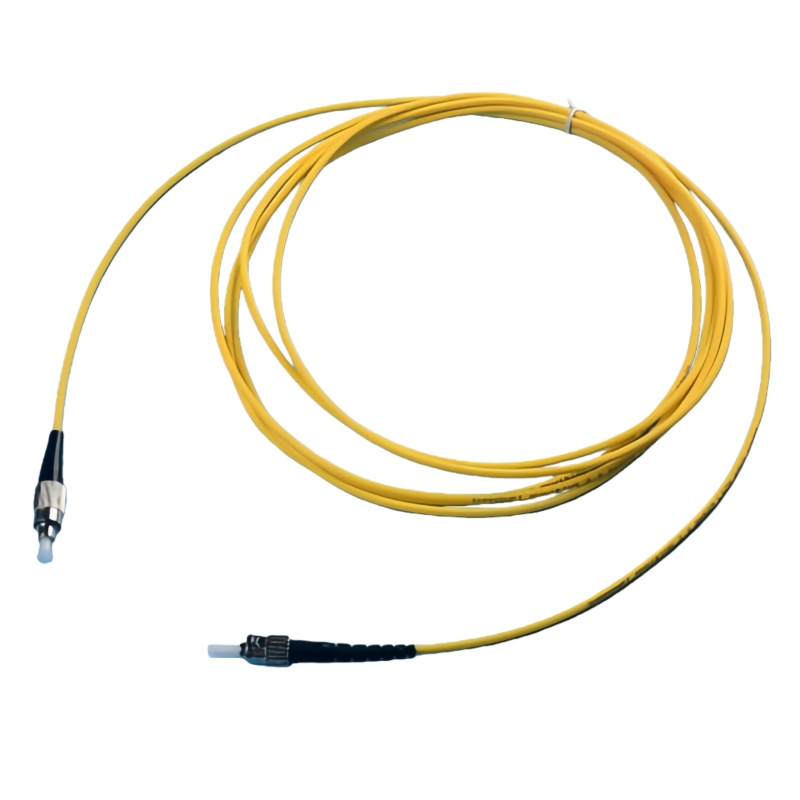
Die Hardware: Warum FC und ST?
-
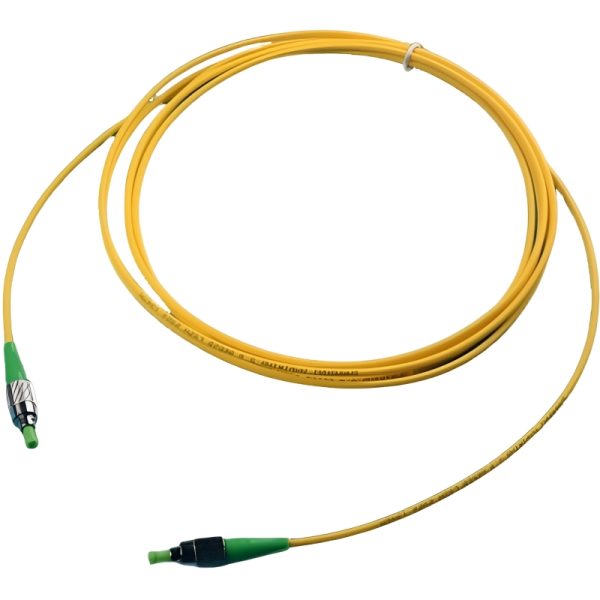
FC/UPC (Der Aufschrauber): Der FC-Stecker wurde ursprünglich für die Telekommunikation entwickelt und besteht aus einem Metallgehäuse mit Gewinde. Wenn er einmal eingeschraubt ist, geht er nirgendwo mehr hin. Er ist die bevorzugte Wahl für empfindliche Testgeräte und die Vernetzung an Bord von Schiffen.
-
ST/UPC (Das Bajonett): Der “Straight Tip”-Steckverbinder verwendet einen BNC-ähnlichen Drehverriegelungsmechanismus. Er ist bekannt für seine einfache Verwendung in Industrieanlagen und Campus-Backbones, wo eine robuste, federbelastete Verbindung erforderlich ist.
-
UPC (Ultra Physical Contact): Beide Enden sind mit dem klassischen Blau UPC-Politur, die eine hochwertige Glas-zu-Glas-Oberfläche für die digitale Datenübertragung gewährleistet.
Technisches Leistungsprofil
Trotz des robusten Äußeren besteht die interne Leistung aus hochpräzisem OS2-Single-Mode-Glas.
| Metrisch | Spezifikation | Technischer Wert |
| Faser-Typ | Einzelmodus (OS2) 9/125μm | Langstreckentauglichkeit |
| Einfügedämpfung | $\leq 0,3 \text{ dB}$ | Minimale Signalabschwächung |
| Rückflussdämpfung | $\geq 50 \text{ dB}$ | Optimiert für digitale Signalreinheit |
| Material des Anschlusses | Vernickeltes Metall | Maximale Korrosionsbeständigkeit |
| Jacke Typ | 2,0mm / 3,0mm LSZH | Sicherheitszertifikat für den Innenbereich |
| Dauerhaftigkeit der Paarung | $> 1000$ Zyklen | Gebaut für wiederholtes “Plug-and-Play” |
Warum dieses Kabel besser abschneidet als Kunststoffalternativen
1. Schwingungsunempfindlichkeit
In Umgebungen wie Fertigungsanlagen oder Rechenzentren, die sich in der Nähe von schweren Maschinen befinden, können Kunststoffklemmen ermüden oder sich durch Vibrationen lösen. Die metallische, verriegelnde Beschaffenheit der FC- und ST-Stecker sorgt dafür, dass der Faserkern perfekt zentriert bleibt.
2. Hochpräzise 2,5 mm Ferrulen
Sowohl die FC- als auch die ST-Enden verwenden die größere 2,5-mm-Keramikferrule. Dadurch wird die physische Oberfläche der Verbindung vergrößert, was sie robuster macht als die winzigen 1,25-mm-Ferrulen, die in LC-Steckern zu finden sind.
3. Der “Standard” für Prüfgeräte
Die meisten High-End-OTDRs (Optical Time-Domain Reflectometers) und Lichtquellen verwenden aufgrund ihrer Wiederholbarkeit eine FC-Schnittstelle. Dieses Kabel ist das perfekte “Startkabel” für den Anschluss dieser Geräte an eine ST-basierte Verteilertafel.
Experten-Fragen und Antworten: Professionelle Tipps
F: Ist der ST-Anschluss im Jahr 2026 “veraltet”?
A: Ganz und gar nicht. Während LC verwendet wird für Dichte, ST wird verwendet für Haltbarkeit. ST-Steckverbinder sind nach wie vor der Standard in Sicherheitssystemen, Kraftwerken und militärischen Anwendungen, da die Drehverriegelung nicht wie Kunststoffverschlüsse bricht.
F: Kann ich dieses Singlemode-Kabel (Gelb) mit meinem Multimode-System (Orange/Aqua) verwenden?
A: Nein. Sie dürfen niemals Fasertypen mischen. Ein Singlemode-Kern (9μm) ist viel kleiner als ein Multimode-Kern (50μm oder 62,5μm). Die Verwendung dieses Kabels in einem Multimode-System führt zu extremen Signalverlusten (bis zu 90%).
F: Was ist der Vorteil des “Simplex”-Designs in diesem Fall?
A: Simplex (SX) ist der Standard für einseitige Sensordaten oder BiDi (bidirektionale) Kommunikation. Im Vergleich zu einem sperrigen Duplex-Reißverschlusskabel ist das Kabel leichter und lässt sich einfacher durch enge Rohrleitungen ziehen.
F: Funktioniert die “UPC”-Politur mit “APC”-Anschlüssen?
A: Niemals. Wenn Sie einen blauen (UPC) Stecker in einen grünen (APC) Anschluss stecken, entsteht ein Luftspalt, der das Licht in Ihren Laser zurückreflektiert und Ihre Geräte beschädigen kann. Verbinden Sie immer Blau mit Blau.

Bewertungen
Es sind noch keine Bewertungen vorhanden.