
Descripción
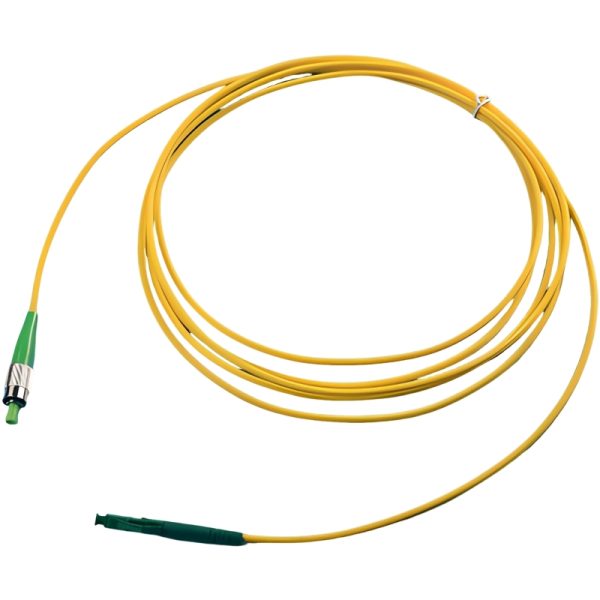
El hardware: ¿por qué FC y ST?
-
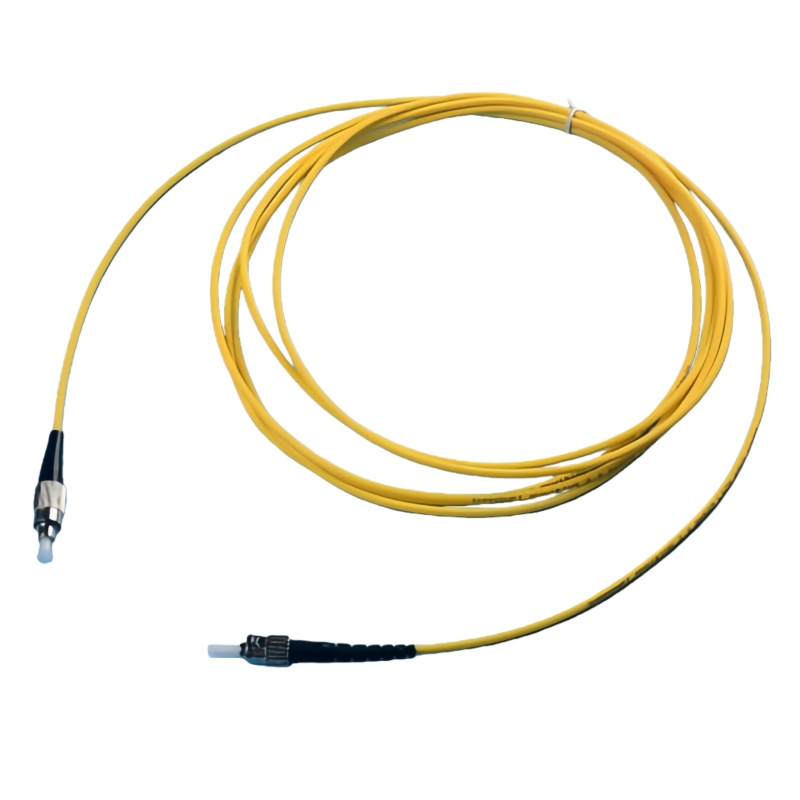
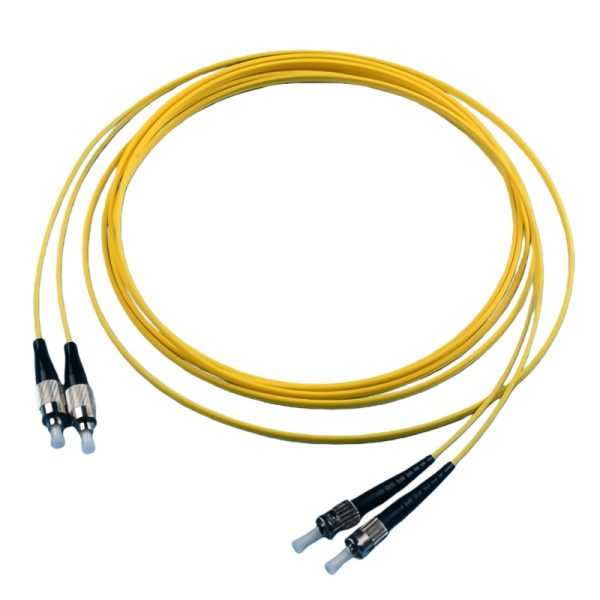
FC/UPC (atornillable): Diseñado originalmente para telecomunicaciones, el conector FC utiliza una carcasa metálica roscada. Una vez atornillado, no se mueve. Es la opción preferida para equipos de prueba sensibles y redes a bordo de barcos.
-
ST/UPC (La Bayoneta): El conector “Straight Tip” utiliza un mecanismo de bloqueo giratorio tipo BNC. Es famoso por su facilidad de uso en plantas industriales y redes troncales de campus, donde se necesita una conexión resistente con resorte.
-
UPC (Ultra Physical Contact): Ambos extremos presentan el clásico Azul Pulido UPC, que garantiza un acabado de alta calidad entre vidrios para la transmisión de datos digitales.
Perfil de desempeño técnico
A pesar de su exterior resistente, su rendimiento interno es de alta precisión gracias al vidrio monomodo OS2.
| Métrico | Especificación | Valor de ingeniería |
| Tipo de fibra | Modo único (OS2) 9/125 μm | Capacidad para largas distancias |
| Pérdida de inserción | $ ≤ 0,3 dB $ | Mínima atenuación de la señal |
| Pérdida de retorno | $\geq 50 dB$ | Optimizado para la pureza de la señal digital |
| Material del conector | Metal niquelado | Máxima resistencia a la corrosión |
| Tipo de chaqueta | 2,0 mm / 3,0 mm LSZH | Clasificado como seguro para uso en interiores. |
| Durabilidad del acoplamiento | $> 1000$ Ciclos | Diseñado para un uso repetido “plug-and-play” |
Por qué este cable supera a las alternativas de plástico
1. Inmunidad a las vibraciones
En entornos como plantas de fabricación o centros de datos ubicados cerca de maquinaria pesada, los clips de plástico pueden desgastarse o aflojarse debido a las vibraciones. La naturaleza metálica y de bloqueo de los conectores FC y ST garantiza que el núcleo de fibra permanezca perfectamente centrado.
2. Casquillos de alta precisión de 2,5 mm
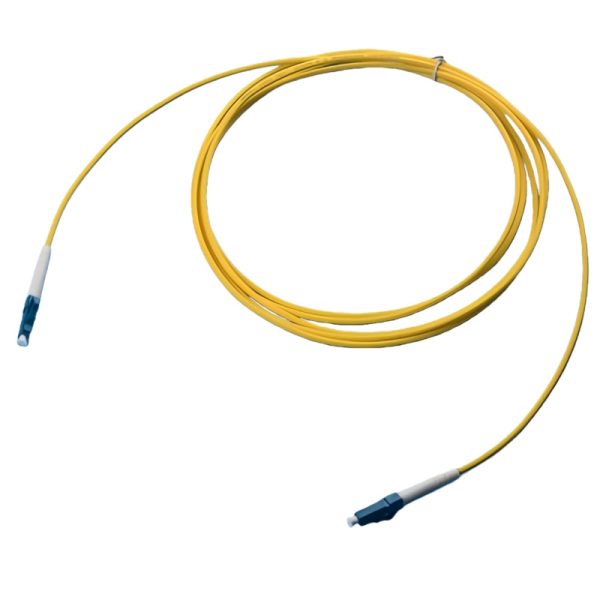
Tanto los extremos FC como ST utilizan una férula cerámica más grande de 2,5 mm. Esto añade superficie física a la conexión, haciéndola más robusta que las pequeñas férulas de 1,25 mm que se encuentran en los conectores LC.
3. La “norma” para los equipos de prueba
La mayoría de los OTDR (reflectómetros ópticos en el dominio del tiempo) y fuentes de luz de alta gama utilizan una interfaz FC debido a su repetibilidad. Este cable es el “cable de lanzamiento” perfecto para conectar ese equipo a un panel de distribución basado en ST.
Preguntas y respuestas de expertos: consejos profesionales
P: ¿El conector ST quedará “obsoleto” en 2026?
A: En absoluto. Aunque LC se utiliza para densidad, ST se utiliza para durabilidad. Todavía encontrarás conectores ST como estándar en sistemas de seguridad, centrales eléctricas y aplicaciones militares, ya que el cierre giratorio no se rompe como los pestillos de plástico.
P: ¿Puedo utilizar este cable monomodo (amarillo) con mi sistema multimodo (naranja/aguamarina)?
A: No. Nunca se deben mezclar tipos de fibra. Un núcleo monomodo (9 μm) es mucho más pequeño que un núcleo multimodo (50 μm o 62,5 μm). El uso de este cable en un sistema multimodo provocará una pérdida de señal extrema (hasta 90%).
P: ¿Cuál es la ventaja del diseño “Simplex” en este caso?
A: Simplex (SX) es el estándar para datos de sensores unidireccionales o comunicación bidireccional (BiDi). Hace que el cable sea más ligero y fácil de pasar por conductos estrechos en comparación con un cable dúplex voluminoso.
P: ¿El pulimento “UPC” funciona con los puertos “APC”?
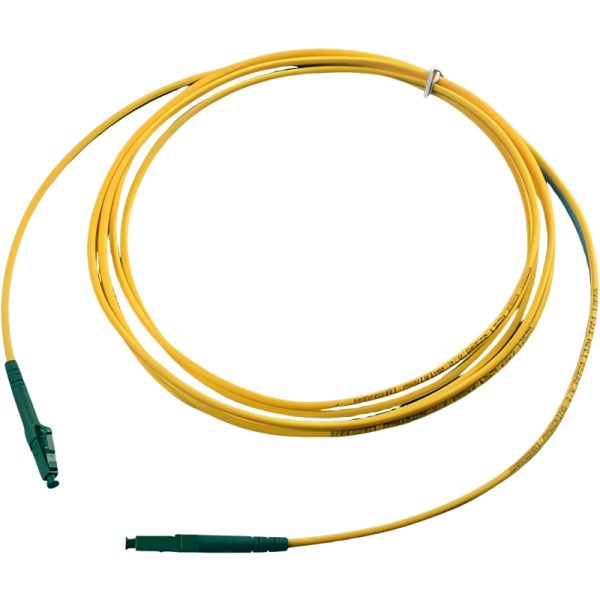
A: Nunca. Si conecta un conector azul (UPC) a un puerto verde (APC), se producirá un espacio de aire que reflejará la luz hacia el láser, lo que podría dañar el equipo. Conecte siempre el azul con el azul.

Reseñas
Aún no hay opiniones.