
Si les câbles à fibres optiques sont les autoroutes numériques de notre monde connecté, alors la boîtier de terminaison de fibre (FTB) est le système de bretelles d'accès et d'échange soigneusement conçu. C'est le dispositif discret monté sur le mur d'un immeuble d'habitation, caché dans une armoire de télécommunications ou fixé sur un poteau extérieur - le point précis où la dorsale à haut débit se transforme en un service internet utilisable qui alimente des milliards de vies.
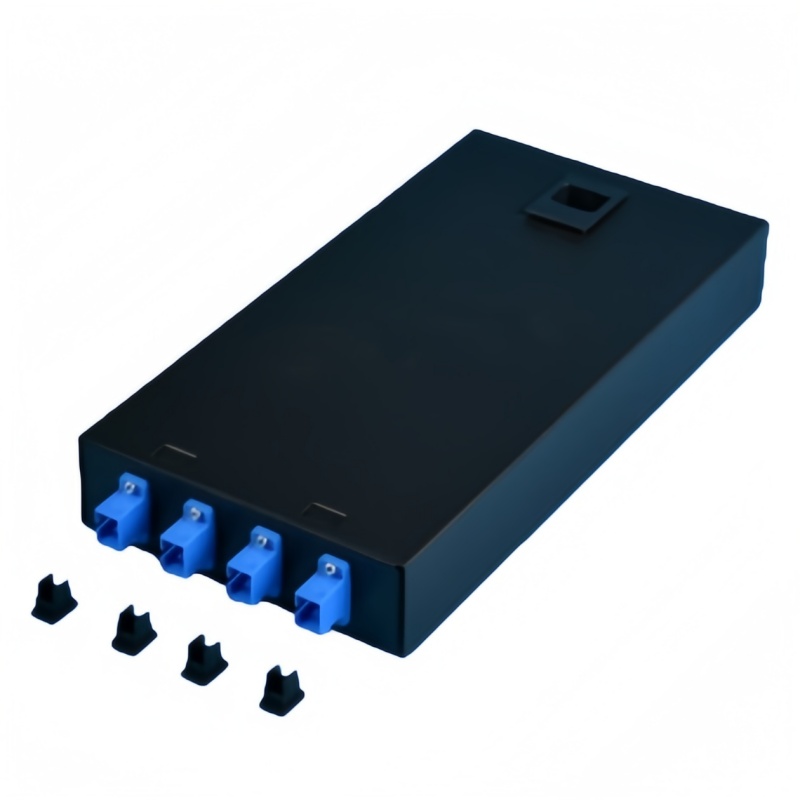
Alors que les déploiements FTTH (Fiber to the Home) s'accélèrent pour répondre à la demande insatiable de bande passante de l'IA, du streaming vidéo 4K/8K et du métavers, le boîtier de terminaison de la fibre est passé d'un simple boîtier de protection à un élément sophistiqué de l'infrastructure passive du réseau. Il doit gérer l'épissage des fibres, protéger les composants délicats des intempéries, organiser le câblage relâché et fournir une interface sécurisée pour l'accès des techniciens, tout en maintenant l'intégrité du signal pendant des décennies de service.
Dans ce guide complet, nous allons explorer le monde des boîtiers de terminaison de fibre, en examinant les tendances du marché, les types de produits, les spécifications techniques et les meilleures pratiques pour le déploiement en 2026.
1. Comprendre le boîtier de terminaison de fibre : Définition et fonctions principales
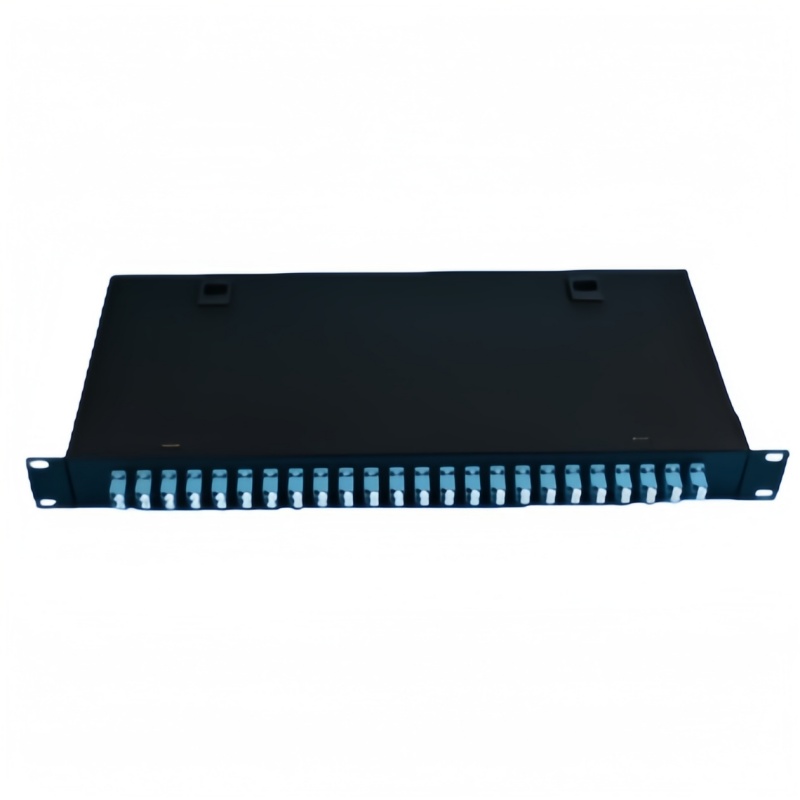
Dans sa forme la plus simple, un boîtier de terminaison de fibre optique (également appelé boîtier de terminaison optique ou terminal d'accès à la fibre) est l'extrémité d'un câble optique qui s'étend jusqu'aux locaux ou à l'équipement d'un utilisateur. . Il s'agit du point de démarcation critique où le câble d'alimentation du fournisseur de services est divisé en câbles de descente individuels qui se connectent aux maisons ou aux entreprises des abonnés. .
Les boîtiers de terminaison de fibre modernes remplissent quatre fonctions essentielles qui les rendent indispensables dans les réseaux FTTx :
Fonction fixe (terminaison mécanique) : Lorsque le câble optique entre dans la boîte, sa gaine extérieure et les éléments de renforcement doivent être fixés mécaniquement. Cela permet de réduire les tensions et d'éviter que les contraintes physiques ne soient transférées aux fibres de verre délicates qui se trouvent à l'intérieur. Les dispositions relatives à la mise à la terre protègent contre les risques électriques et la foudre. .
Fonction d'épissage de fusion : À l'intérieur du boîtier, les fibres optiques du câble entrant sont épissées par fusion pour former des pigtails (câbles courts avec des connecteurs préinstallés). Les jonctions épissées sont protégées et les fibres excédentaires sont soigneusement enroulées et stockées dans des bacs de gestion intégrés. .
Fonction de déploiement et de connexion croisée : Les connecteurs attachés aux pigtails s'adaptent aux adaptateurs montés sur le panneau avant de la boîte. Cela crée une interface standardisée où les techniciens peuvent brancher les cordons de raccordement ou les câbles de descente des clients. Cette conception permet d'ajuster le chemin optique de manière flexible et de faciliter les tests. .
Rangement et organisation : Le boîtier offre un espace dédié au stockage des fibres libres, à la gestion du câblage de connexion croisée et à l'organisation des cassettes d'épissure. Un stockage adéquat garantit que toutes les fibres conservent le rayon de courbure minimum (typiquement 30 mm pour une fibre monomode), évitant ainsi la perte de signal due à la macrocourbure. .
2. Le marché des boîtiers de terminaison de fibre optique : paysage mondial 2026
Le marché des boîtiers de terminaison pour fibre optique connaît une croissance robuste, stimulée par l'expansion mondiale incessante des réseaux de fibre optique. Selon une étude de marché récente, le marché mondial des boîtiers de terminaison en fibre optique a été évalué à environ $36,5 milliards CNY (environ $5,1 milliards USD) en 2025 et devrait continuer à croître régulièrement jusqu'en 2032 .
Dynamique du marché régional
Asie-Pacifique domine le marché mondial, avec une part de marché impressionnante. Part de marché du 68% . Cette position de leader s'explique par les programmes de déploiement massif de la technologie FTTH en Chine, en Inde et en Asie du Sud-Est, qui s'appuient sur des profils démographiques jeunes, des initiatives gouvernementales en matière d'infrastructure numérique et une culture entrepreneuriale florissante. . Des entreprises telles que YOFC, Hengtong et Fiber Home (Chine) sont des acteurs majeurs au niveau mondial. .
Amérique du Nord contient environ 13% du marché mondial . La croissance aux États-Unis et au Canada est alimentée par la concurrence sur les marchés des télécommunications, l'expansion de la large bande en milieu rural financée par des programmes gouvernementaux et la nécessité de moderniser les infrastructures en cuivre vieillissantes. . Le marché se caractérise par une concurrence intense, les nouvelles technologies arrivant à un rythme sans précédent .
L'Europe maintient une présence significative sur le marché, sous l'impulsion d'organisations telles que l'opérateur européen de réseaux de télécommunications (ETNO) et d'une forte demande dans des pays tels que l'Allemagne, la France et la Russie. .
Tableau 1 : Aperçu du marché mondial des boîtiers de terminaison en fibre optique
Données agrégées par Fortune Business Insights et YH Research .
Acteurs clés de l'industrie
Le marché se caractérise par un mélange de géants mondiaux des télécommunications et de fabricants spécialisés. Les principales entreprises sont les suivantes :
- Leaders mondiaux : Prysmian, Furukawa, Corning Incorporated, CommScope, Nexans, Sumitomo Electric, Fujikura
- Fabricants chinois : YOFC, Hengtong, Fiber Home, ZTT, Ningbo Yuda Communication Technology
- Joueurs indiens : Sterlite Power, M/s Linkwell Telesystems Pvt Ltd
- Prestataires spécialisés : Belden Inc, Hexatronic, Green Telecom Group, K&M Manufacturing Solutions
3. Types de boîtiers de terminaison en fibre optique : Choisir la bonne solution
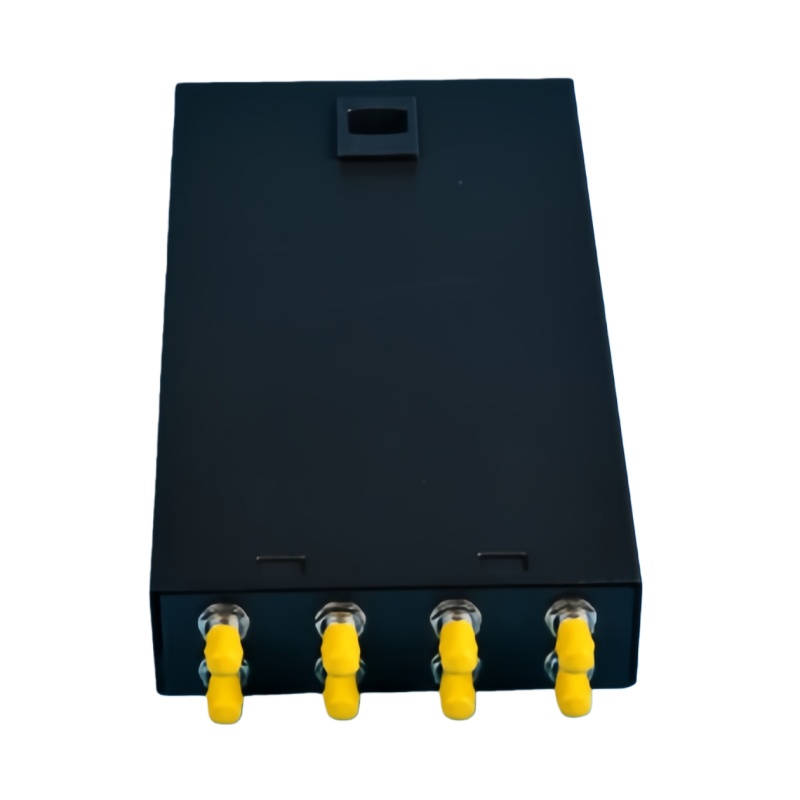
Les boîtiers de terminaison de fibre optique se présentent sous différentes configurations conçues pour des scénarios de déploiement spécifiques. Il est essentiel pour les planificateurs et les installateurs de réseaux de comprendre ces distinctions.
3.1 Par configuration de montage
Boîtes de terminaison de fibre à montage mural : Ces boîtiers polyvalents dominent le marché, offrant des solutions parfaites pour les terminaux d'entrée des bâtiments, les armoires de télécommunication et les armoires extérieures. . Ils permettent l'installation sur le terrain de câbles préconnectorisés, la terminaison de connecteurs sur site et l'épissurage sur le terrain en queue de cochon. . Disponibles dans des tailles allant de 4 à 72 fibres, ils sont évolutifs et comportent souvent des portes verrouillables pour la sécurité. .
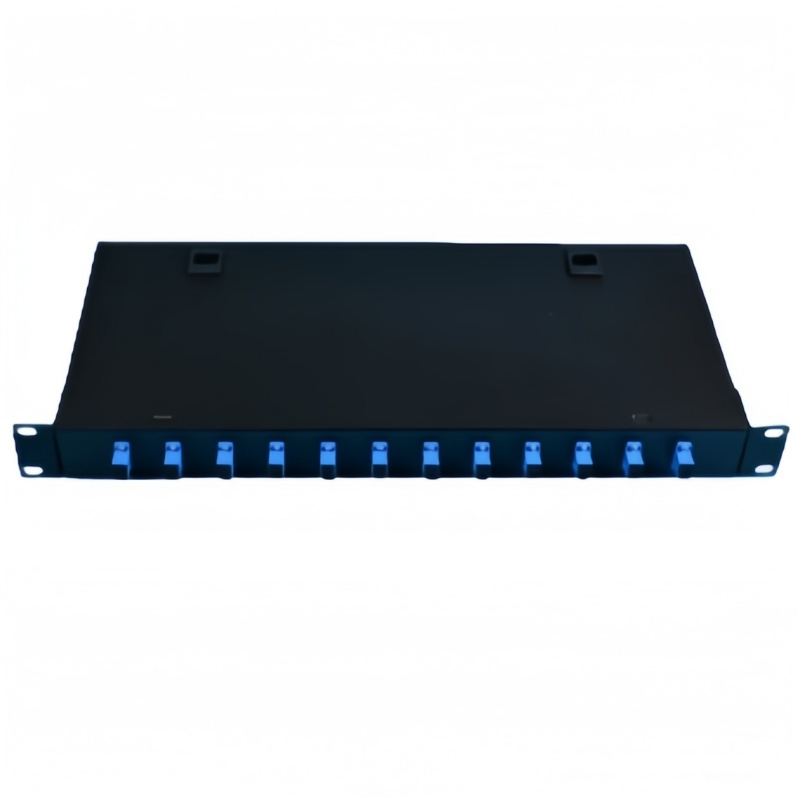
Boîtes de terminaison de fibres montées en rack : Conçues pour être intégrées dans des racks d'équipement standard de 19 pouces, ces boîtes sont idéales pour les centres de données, les salles de serveurs et les bureaux centraux de télécommunications. . Ils intègrent l'épissage, la terminaison, la distribution et le brassage des fibres en une seule unité, prenant en charge à la fois les topologies de connexion transversale et d'interconnexion. La conception coulissante facilite la maintenance et l'inspection. .
Boîtes de 288 noyaux de grande capacité : Pour les réseaux fédérateurs et les points d'agrégation des FAI, les boîtiers de terminaison à 288 fils permettent une gestion centralisée de l'infrastructure fibre optique à grande échelle. . Ces boîtiers sont dotés de points d'entrée multiples, de plateaux d'épissure modulaires et d'intérieurs spacieux permettant d'organiser des centaines de fibres. Ils servent de nœuds critiques dans les réseaux métropolitains, les bureaux centraux et les grands campus. .
Tableau 2 : Comparaison des types de boîtiers de terminaison de fibre optique
Source : Alibaba Product Insights .
3.2 Par environnement d'application
Boîtes de terminaison de fibres intérieures : Ces boîtiers servent de points de transition entre les câbles de la colonne montante et les parcours horizontaux de la fibre optique dans les bâtiments. . Elles permettent de stocker les fibres terminées et les points de connexion pour les épissures. Les boîtiers d'intérieur se caractérisent généralement par une conception compacte, des matériaux ignifuges (classés UL94 V-0 pour la sécurité incendie) et un aspect esthétique adapté aux zones d'installation visibles. .
Boîtes de terminaison de fibre optique pour l'extérieur : Conçus pour les environnements difficiles, les boîtiers d'extérieur sont dotés d'une construction robuste et résistante aux intempéries avec des indices de protection élevés (IP65, IP67, voire IP68). . Ils protègent les composants internes de l'humidité, de la poussière, des températures extrêmes (-40°C à +85°C) et des rayons UV. . Des joints à double étanchéité, des joints toriques en silicone et des évents d'égalisation de la pression empêchent les infiltrations d'eau et gèrent la condensation interne. .
3.3 Solutions spécialisées
Boîtes de terminaison modulaires MDU : Des sociétés comme Technetix proposent des produits spécialisés pour les logements collectifs. Le FTB Max, par exemple, permet de terminer 168 fibres dans un design compact, pouvant accueillir 24 fibres directement épissées, le reste étant placé dans des cassettes, ainsi que des supports pour les séparateurs PLC. . Le FTB Speed offre des concepts innovants de gestion de la fibre et d'étanchéité pour des topologies FTTH flexibles. .
Boîtes de terminaison hybrides : Les solutions telles que le Technetix F-ETB/F-ITB supportent à la fois les déploiements RF et fibre, permettant une migration graduelle du réseau des architectures hybrides fibre-coax vers des architectures FTTH complètes. .
La famille des boîtes Polaris : La série Polaris-box de R&M offre des solutions de terminaison multifonctionnelles allant de la petite Polaris-box 4 (supportant 12 connexions d'épissure) à la Polaris-box 36 de grande capacité (accueillant jusqu'à 288 épissures). Ces boîtiers sont dotés d'incrustations de fibres pivotantes qui séparent les zones de connexion et d'épissure pour une sécurité accrue. .
4. Spécifications techniques et normes de performance
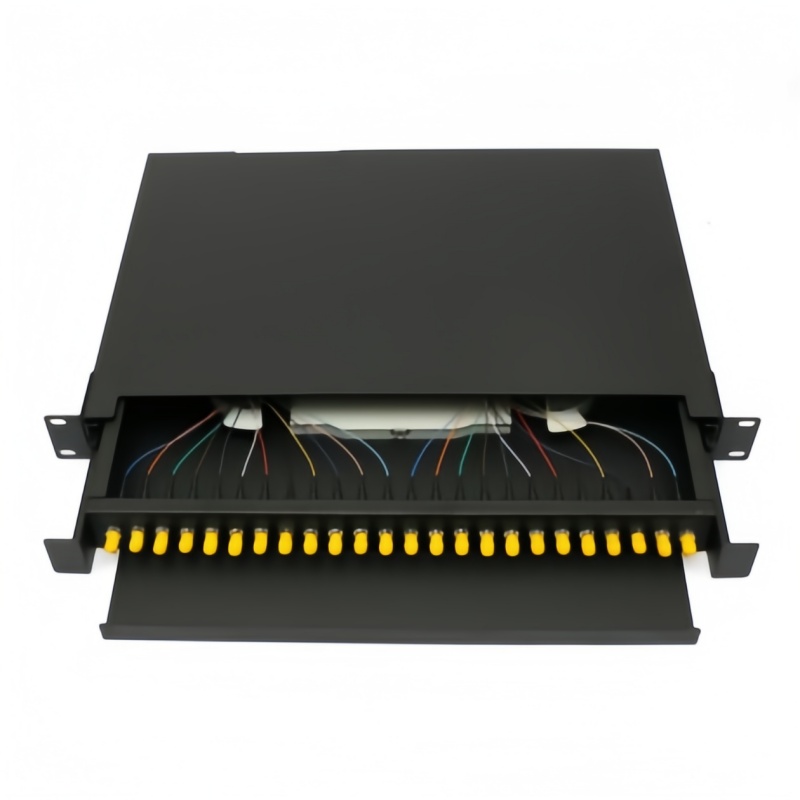
Pour choisir le bon boîtier de terminaison de fibre optique, il faut comprendre les paramètres techniques essentiels et les normes industrielles.
4.1 Paramètres techniques clés
Les boîtiers de terminaison de fibre modernes sont conçus pour répondre à des exigences de performance rigoureuses. Les spécifications typiques comprennent :
- Durabilité du connecteur : ≥1000 cycles d'accouplement
- Résistance de l'isolation : ≥20 000 MΩ/500V (DC)
- Rigidité diélectrique : ≥3000V (DC) pendant 1 minute sans rupture ni arc électrique
- Perte d'insertion : ≤0,3dB pour les connecteurs à fibre optique
- Perte de retour : PC ≥40dB, UPC ≥50dB, APC ≥60dB
4.2 Protection de l'environnement (indices IP)
Pour les installations extérieures, les indices de protection IP (Ingress Protection) sont essentiels. :
- IP65 : Protection complète contre la pénétration de la poussière et contre les jets d'eau
- IP67 : Protection contre l'immersion temporaire dans l'eau (30 minutes à 1 mètre de profondeur)
- IP68 : Protection contre l'immersion continue dans l'eau (spécifiée par le fabricant)
Le boîtier de terminaison de fibre domestique de HFCL, par exemple, offre un indice de protection IP65 et est fabriqué en ABS/PC, ce qui le rend adapté aux applications FTTH exigeantes. .
4.3 Matériaux et construction
Les boîtes de terminaison de haute qualité utilisent des matériaux conçus pour durer. :
- Matériaux du boîtier : PC (polycarbonate), ABS, SECC (acier électrozingué), SPCC (acier laminé à froid), aluminium ou acier inoxydable
- Traitement de surface : Pulvérisation électrostatique pour la résistance à la corrosion
- Scellage : Joints à double étanchéité, joints toriques en silicone, bouchons d'étanchéité en caoutchouc pour les entrées de câbles
Tableau 3 : Spécifications communes des boîtiers de terminaison en fibre optique
5. Meilleures pratiques d'installation et pièges courants
L'installation correcte des boîtiers de terminaison de fibre optique est essentielle pour la fiabilité à long terme du réseau. Même les composants de la plus haute qualité ne fonctionneront pas si les directives d'installation ne sont pas respectées.
5.1 Directives d'installation
Installation du support mural :
- Fixez la boîte à un mur stable à l'aide de vis ou de chevilles appropriées.
- Acheminer les fibres par les ports d'entrée désignés (utiliser des œillets en caoutchouc pour éviter d'endommager les câbles).
- Organiser les fibres à l'aide de plateaux d'épissure intégrés
- Terminer avec les connecteurs appropriés (SC, LC, etc.)
- Assurer une décharge de traction pour tous les câbles entrants
- Étiqueter clairement tous les raccordements pour faciliter l'entretien ultérieur
Considérations relatives à l'installation à l'extérieur :
- Utiliser des plateaux d'épissure remplis de gel imperméable
- Scellez tous les points d'entrée à l'aide d'œillets en caoutchouc ou de kits d'étanchéité.
- Appliquer les produits d'étanchéité là où ils sont spécifiés
- S'assurer que les trous de drainage (s'il y en a) sont dégagés et orientés vers le bas.
- Envisager l'utilisation d'évents d'égalisation de la pression avec des membranes hydrophobes.
5.2 Facteurs critiques de succès
Respecter les exigences en matière de rayon de courbure : Le rayon de courbure minimal des fibres stockées doit être respecté - généralement 30-40mm pour fibre monomode. Le dépassement de cette limite entraîne des pertes de macrocourbure qui peuvent ne pas être immédiatement apparentes mais qui se dégraderont avec le temps .
Soulagement adéquat de la tension : Les câbles entrants doivent être fixés mécaniquement aux dispositifs de décharge de traction de la boîte. Cela empêche les forces de traction d'atteindre les épissures par fusion ou les terminaisons des connecteurs. .
Propreté : La contamination est la principale cause des défaillances optiques. Veillez à ce que toutes les extrémités des connecteurs soient propres avant l'accouplement et gardez la boîte fermée pendant la construction pour éviter la pénétration de la poussière. .
Documentation : Étiqueter chaque fibre et maintenir une documentation à jour. Cela permet de réduire le temps de dépannage et d'améliorer la fiabilité du réseau lors des mises à niveau. .
5.3 Erreurs d'installation courantes
| Erreur | Conséquence | La prévention |
|---|---|---|
| Stockage de mou insuffisant | Contrainte sur les fibres, rupture éventuelle | Respecter les directives du fabricant en matière de stockage du mou |
| Colliers de serrage trop serrés | Pertes par micro-cintrage | Utilisez des fermetures auto-agrippantes et non des attaches à glissière. |
| Mauvais scellement des entrées | Infiltration d'eau, dégradation du signal | Utiliser les kits d'étanchéité fournis ; vérifier l'emplacement des joints |
| Mise à la terre inadéquate | Risque de dégâts dus à la foudre | Suivre précisément les instructions de mise à la terre |
| Étiquettes manquantes | Dépannage des cauchemars | Étiqueter immédiatement ; utiliser des marqueurs durables |
6. Applications dans tous les secteurs d'activité
Les boîtiers de terminaison de fibre servent à diverses applications au-delà du FTTH résidentiel .
Réseaux de télécommunications : Épissure et distribution centralisées des fibres dans les bureaux centraux, les armoires de terrain et les points de distribution. Les boîtiers haute densité (288 cœurs) permettent une gestion efficace de centaines de fibres dans des espaces compacts. .
Centres de données : Organiser et sécuriser les connexions par fibre optique entre les serveurs, les commutateurs et les unités de stockage. Les boîtiers de montage en rack prennent en charge les protocoles à haut débit, y compris l'Ethernet 40G, 100G et 400G. .
Systèmes CATV et de télévision : Soudage de fibres et transfert de connecteurs optiques pour les réseaux de télévision par câble. Les boîtiers de terminaison sont largement utilisés dans les séries CATV urbaines et les systèmes de transmission d'images. .
Bâtiments commerciaux et résidentiels : Déploiements FTTH et FTTB où les boîtiers de terminaison distribuent les signaux de fibre depuis les points d'entrée principaux jusqu'aux unités individuelles ou aux étages. .
Systèmes de communication sans fil : Connectivité de liaison pour les tours cellulaires et les petites cellules 5G, fournissant des connexions à faible latence entre les réseaux d'accès radio et les réseaux centraux. .
Distribution de fibres urbaines : Les initiatives de ville intelligente, le Wi-Fi public, les systèmes de surveillance et les services municipaux s'appuient sur des boîtiers de terminaison dans les Fiber Distribution Hubs (FDH) et les armoires de rue. .
7. Tendances futures et innovations
À l'horizon 2030, plusieurs tendances façonnent le développement des boîtiers de terminaison en fibre optique.
Solutions à plus haute densité : L'espace étant compté dans les bureaux centraux et les armoires de rue, les fabricants développent des boîtiers qui contiennent plus de fibres dans un espace plus réduit. Le boîtier de 288 fils représente la capacité actuelle de haute densité, mais les boîtiers de 432 fils et plus sont en train d'émerger .
Amélioration de l'étanchéité environnementale : Le changement climatique exige des boîtiers qui résistent à des conditions plus extrêmes. Des indices IP68 améliorés et une meilleure résistance aux UV deviennent la norme pour les déploiements en extérieur. .
Boîtes de terminaison intelligentes : Les boîtiers équipés d'IoT avec des étiquettes RFID intégrées ou des capteurs capables de surveiller l'intégrité du joint, la pénétration de l'eau ou même la continuité de la fibre font leur entrée sur le marché, permettant ainsi une maintenance prédictive .
L'accent est mis sur le développement durable : Les matériaux sans halogène, recyclables et les emballages réduits sont de plus en plus importants dans les décisions d'achat. .
Intégration des composants passifs : Les boîtiers de terminaison modernes intègrent de plus en plus souvent des séparateurs optiques, des multiplexeurs de longueur d'onde et d'autres composants passifs directement à l'intérieur du boîtier. .
8. Foire aux questions (FAQ)
Q1 : Quelle est la différence entre un boîtier de terminaison de fibre et un boîtier d'épissure de fibre ?
Un boîtier de terminaison de fibre permet de réaliser des épissures. et les points d'interface des connecteurs (adaptateurs) pour le raccordement des câbles de descente. Il sert de point d'accès pour le raccordement des lignes d'abonnés. En revanche, une fermeture d'épissure de fibre optique sert principalement à protéger les épissures de fusion entre deux sections de câble et n'offre généralement pas d'accès aux connecteurs pour les raccordements d'abonnés. .
Q2 : Comment choisir entre les connecteurs SC et LC dans ma boîte de terminaison ?
Les connecteurs SC (conception push-pull) sont courants dans les applications FTTH en raison de leur durabilité et de leur facilité d'utilisation. Les connecteurs LC (facteur de forme réduit, conception à verrouillage) sont préférés dans les environnements à haute densité tels que les centres de données. Le choix dépend de la compatibilité des connecteurs et des exigences de densité de votre réseau. .
Q3 : De quel indice IP ai-je besoin pour une installation à l'extérieur ?
Pour un montage extérieur sur poteau ou sur mur, IP65 est l'indice minimum recommandé, offrant une protection contre la poussière et une résistance aux jets d'eau. Pour les zones sujettes aux inondations ou aux fortes pluies, IP67 (immersion temporaire) est préférable. Les environnements côtiers peuvent nécessiter des matériaux supplémentaires résistant à la corrosion .
Q4 : Puis-je installer moi-même un boîtier de terminaison de fibre optique ?
Bien que techniquement possible pour des professionnels expérimentés, la terminaison de la fibre nécessite des outils spécialisés (épissureur à fusion, clivage, OTDR) et une formation pour réaliser des épissures à faible perte et une gestion correcte des câbles. Pour les réseaux des fournisseurs de services, l'installation par un professionnel est fortement recommandée pour assurer la fiabilité et le respect de la garantie. .
Q5 : Combien de fibres un seul boîtier de terminaison peut-il gérer ?
Les capacités vont de Boîtes à 2 fibres pour les maisons unifamiliales à Boîtes de 288 fibres pour les centres de distribution MDU. Le choix dépend du nombre d'abonnés ou de connexions qui doivent être desservis à partir de cet emplacement .
Q6 : Quelle est la maintenance requise pour un boîtier de terminaison de fibre optique ?
Les boîtes situées à l'intérieur ne nécessitent qu'un minimum d'entretien : il suffit de les garder fermées et propres. Les boîtiers extérieurs doivent être inspectés périodiquement pour vérifier l'intégrité des joints, l'infiltration d'eau et les dommages physiques. En cas de dégradation du signal, un test OTDR peut permettre d'identifier les problèmes à l'intérieur du boîtier .
Q7 : Quelle est la durée de vie typique d'un boîtier de terminaison de fibre optique ?
Les boîtes de haute qualité sont conçues pour 20 ans et plus de durée de vie. Les composants passifs (boîtier, adaptateurs) devraient durer plus longtemps que plusieurs générations d'appareils électroniques actifs. Cependant, les joints et les garnitures peuvent nécessiter une inspection et un remplacement après des décennies d'exposition. .
Q8 : Existe-t-il des boîtiers de terminaison pouvant accueillir à la fois la fibre et le cuivre ?
Oui, les boîtiers hybrides comme le Technetix F-ETB/F-ITB supportent à la fois les connexions par fibre et par câble coaxial, facilitant ainsi la migration progressive des réseaux des architectures HFC vers les architectures FTTH.