
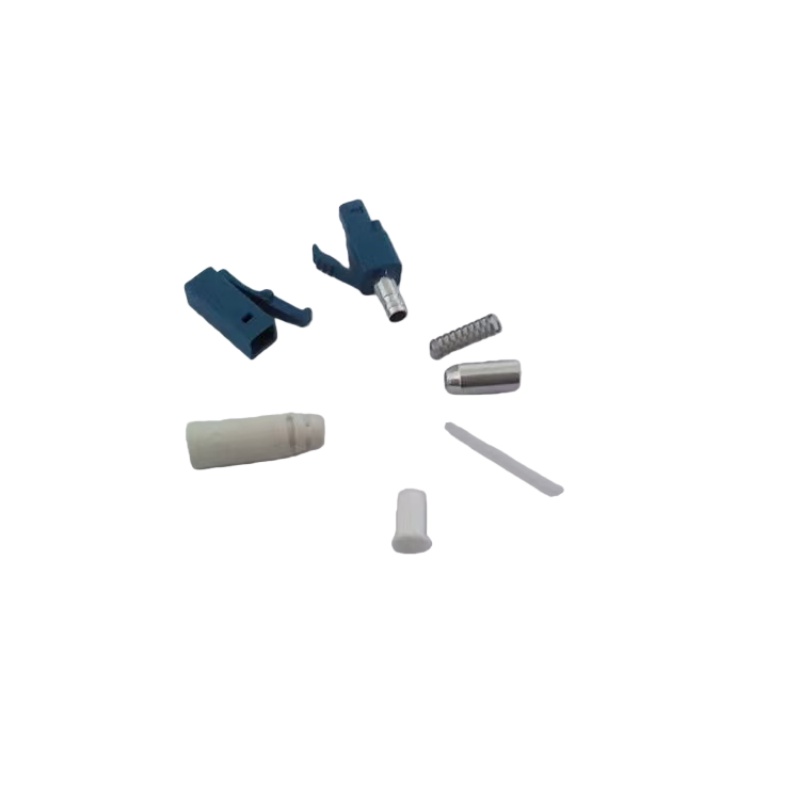
Description
Why short-boot LC connectors matter
| Boot Type | Advantage | Typical Use |
|---|---|---|
| Standard boot | Better pull protection | General patch cords |
| Short boot | Saves space, easier routing | High-density racks & modules |
Short-boot designs are widely used in data centers and telecom cabinets where hundreds of fibers are terminated in a small area.
Optical specifications
| Parameter | Typical Value |
|---|---|
| Fiber Type | Single-mode 9/125 µm |
| Polish Type | UPC |
| Insertion Loss | ≤ 0.30 dB |
| Return Loss | ≥ 50 dB |
| Wavelengths | 1310 / 1550 nm |
| Durability | ≥ 1000 mating cycles |
These values ensure stable signal transmission for FTTH, telecom, and data networks.
Mechanical design
| Feature | Specification |
|---|---|
| Connector Type | LC Simplex |
| Cable Diameter | 2.0mm |
| Ferrule | 1.25mm zirconia ceramic |
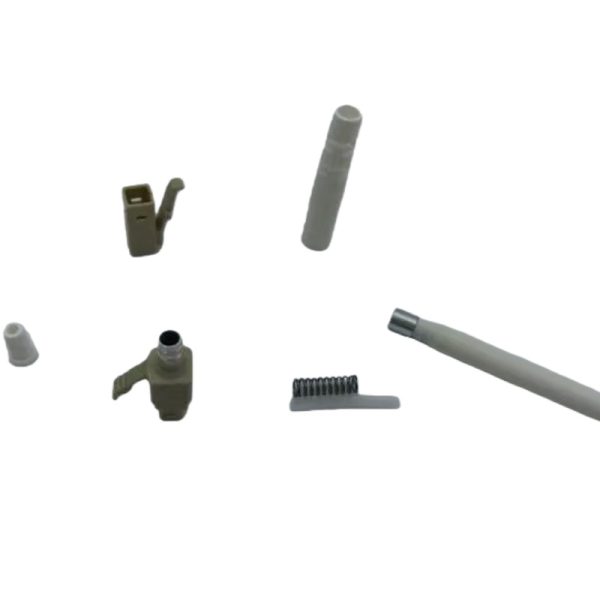
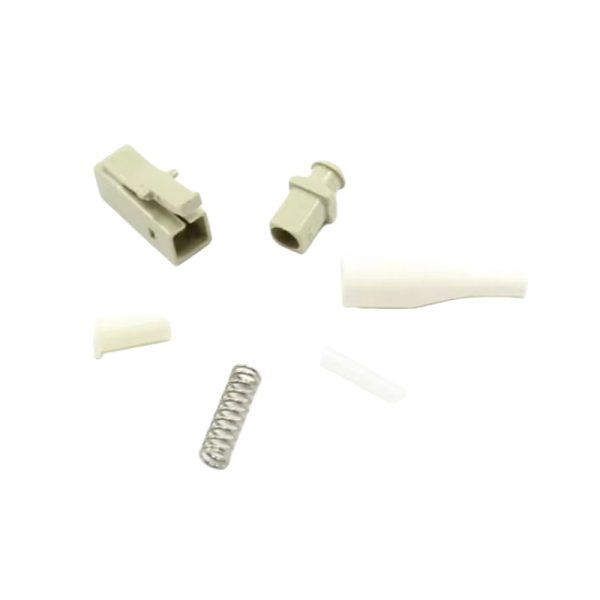
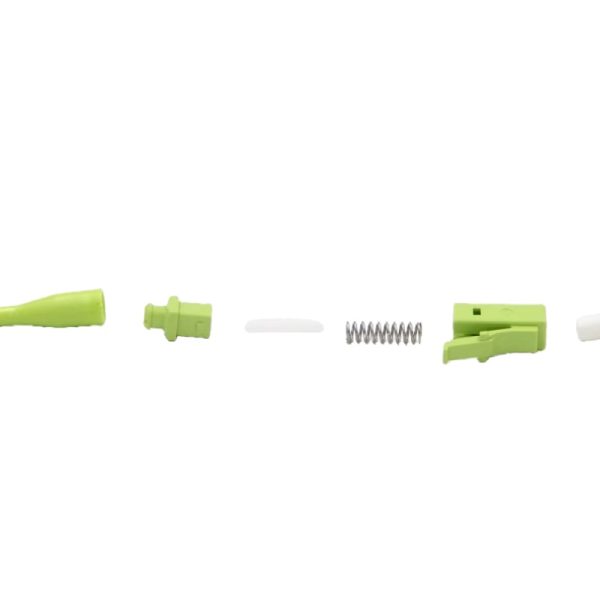
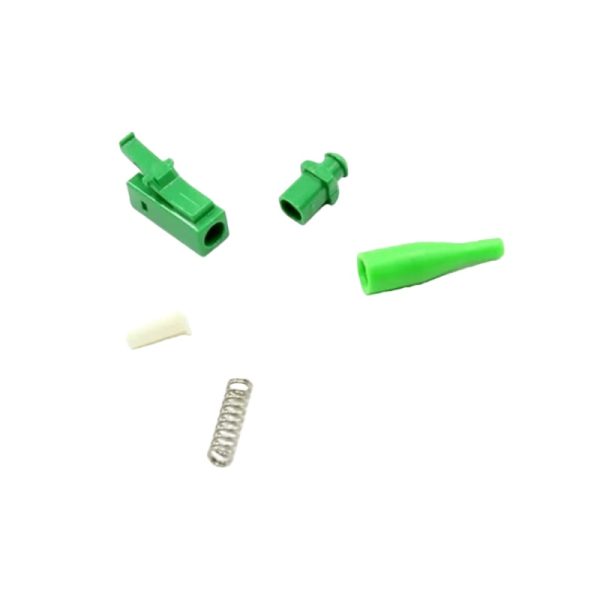
| Boot | Short, low-profile strain relief |
| Latching System | LC push-pull |
| Operating Temperature | –40°C to +75°C |
| Tensile Strength | ≥ 100 N |
The short boot allows the connector to fit comfortably in crowded patch panels and transceiver cages.
Typical applications
This connector is ideal for:
-
High-density patch panels
-
Data center LC patch cords
-
FTTH distribution frames
-
Network switches and routers
-
Optical transceiver connections
-
Test and monitoring equipment
Professional Q&A
Q1: Does a short boot reduce cable strength?
No. The short boot still provides adequate strain relief for indoor patch cords while improving space efficiency.
Q2: Can this be used in standard LC adapters?
Yes. It is fully compatible with all standard LC UPC adapters and panels.
Q3: When should I choose a short-boot LC connector?
When you are working with crowded racks, fiber shelves, or compact devices where standard boots are difficult to manage.

Reviews
There are no reviews yet.