
描述
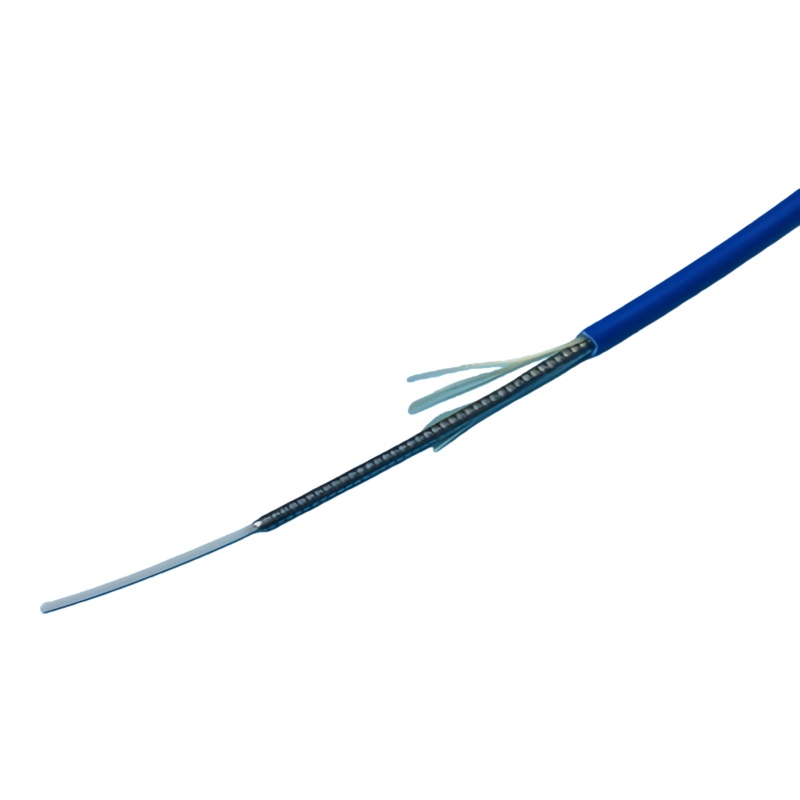
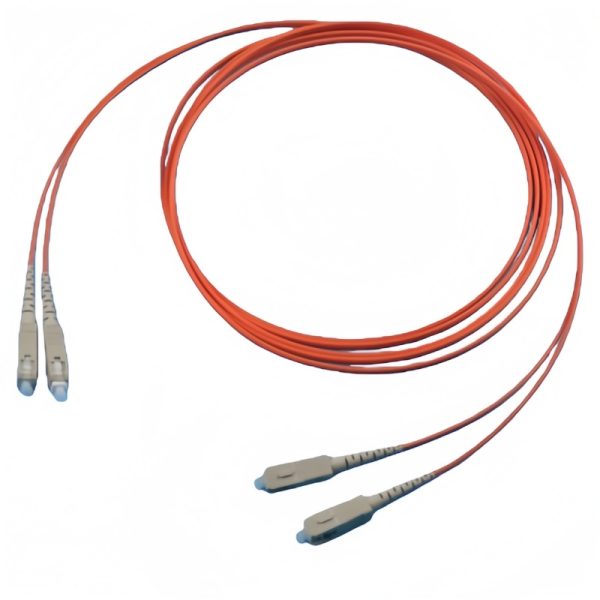
Typical Armored Optical Cable Structure
From the inside out, an armored optical cable is built like a multi-layer protection system:
| Layer | Function |
|---|---|
| Optical Fiber (9/125 or 50/125 μm) | Transmits light signals |
| Primary Coating | Protects fiber from micro-bending |
| Tight Buffer (900 μm) or Loose Tube | Mechanical stability |
| Aramid Yarn (Kevlar) | Tensile strength |
| Metal Armor (Steel or Aluminum) | Crush & rodent protection |
| Inner Sheath | Holds armor in place |
| Outer Jacket (LSZH / PE / PVC) | Environmental protection |
This structure allows the cable to be installed without conduit, pulled through floors, cabinets, and outdoor ducts, and used in high-risk environments.
Why Armored Fiber Cables Are Used in B2B Projects
Standard patch cords are fragile. Armored optical cables are designed for:
-
Telecom central offices
-
FTTH & FTTx deployments
-
Industrial automation
-
Outdoor cabinets
-
Railway & utility networks
-
Data center cross-connects
They are widely sourced by:
telecom operators, system integrators, distributors, OEM factories, exporters, and large-scale network contractors.
Mechanical & Optical Performance (Typical)
| Property | Standard Patch Cord | Armored Patch Cord |
|---|---|---|
| Crush Resistance | Low | High |
| Rodent Resistance | None | Excellent |
| Tensile Strength | ~100 N | Up to 800 N+ |
| Installation Safety | Indoor only | Indoor & Outdoor |
| Service Life | Shorter | Much longer |
Armored fiber maintains the same optical performance as standard fiber while delivering far higher mechanical reliability.
Why Global Buyers Specify Armored Fiber
From a sourcing and procurement perspective, armored cables reduce:
-
Installation failure
-
Maintenance cost
-
Network downtime
-
Replacement cycles
This is why they are the default choice for large-scale fiber projects.
We supply armored fiber cables as:
-
Factory direct
-
OEM / ODM
-
Bulk orders
-
Distributor and integrator supply
-
Export packaging
-
Custom branding and labeling
Professional FAQ
Q1: Does the metal armor affect signal quality?
No. The armor only provides mechanical protection and does not impact optical transmission.
Q2: What type of metal armor is used?
Typically corrugated steel or aluminum tube, depending on flexibility and protection level required.
Q3: Can armored fiber be used in data centers?
Yes. It is commonly used for cross-connects, vertical risers, and under-floor routing.
Q4: Is armored fiber suitable for FTTH outdoor drops?
Yes. It offers rodent resistance, crush protection, and long-term reliability.
Q5: Can armored patch cords be custom made?
Yes. Length, jacket type, connectors, OEM branding, and packaging can all be customized.
Q6: Who usually purchases armored fiber cables?
Telecom operators, fiber integrators, wholesalers, exporters, and large project contractors.

Reviews
There are no reviews yet.