
Descrição
3.0mm duplex — built for real cabling paths
| Cable type | Where it performs best |
|---|---|
| 2,0 mm | Short jumpers at device ports |
| 3,0 mm | Building backbones, floor-to-floor links, ODF routing |
The thicker jacket absorbs pulling forces and reduces micro-bending when fibers are routed through long paths.
Optical transmission characteristics
| Parâmetro | Typical value |
|---|---|
| Fiber | Modo único 9/125 µm |
| Polish type | UPC |
| Insertion loss | ≤ 0,30 dB |
| Return loss | ≥ 50 dB |
| Operating wavelengths | 1310 / 1550 nm |
| Mating durability | ≥ 1000 ciclos |
These values support Ethernet, SDH, metro and access networks with long-term signal stability.
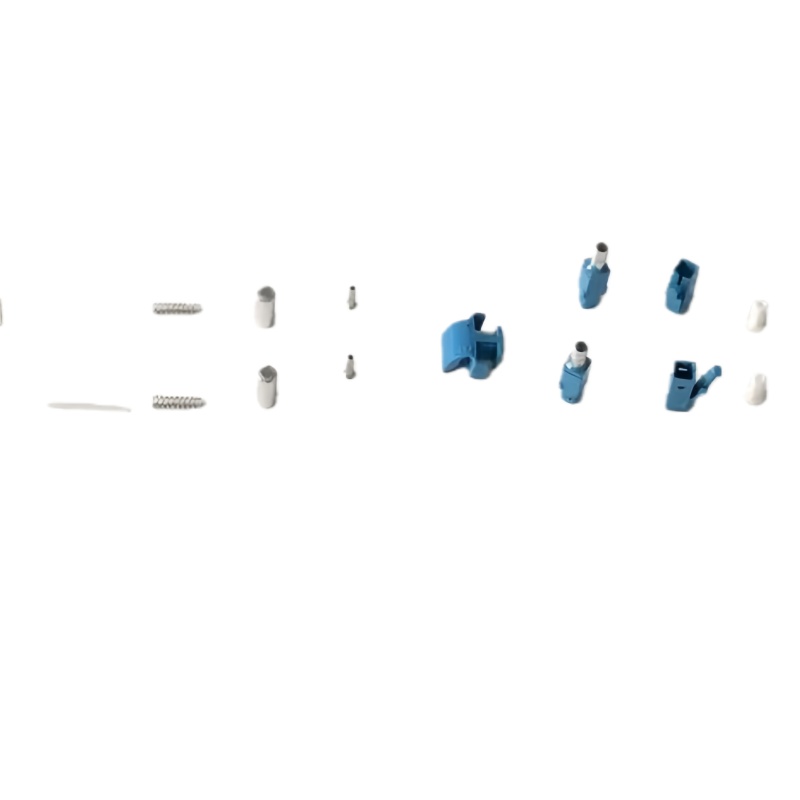
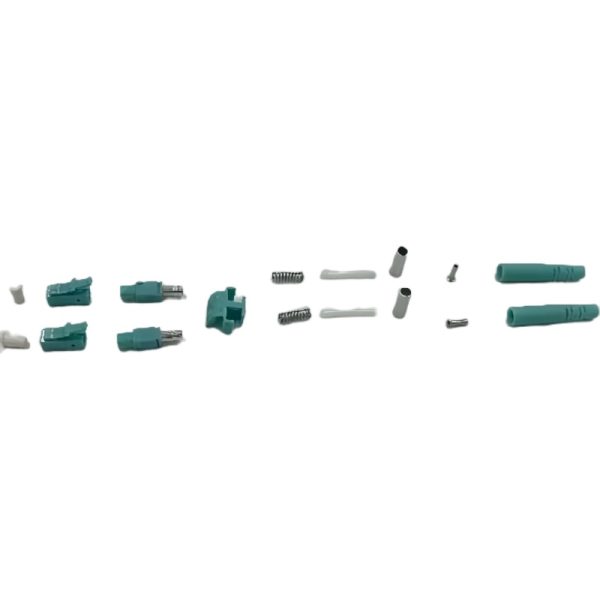
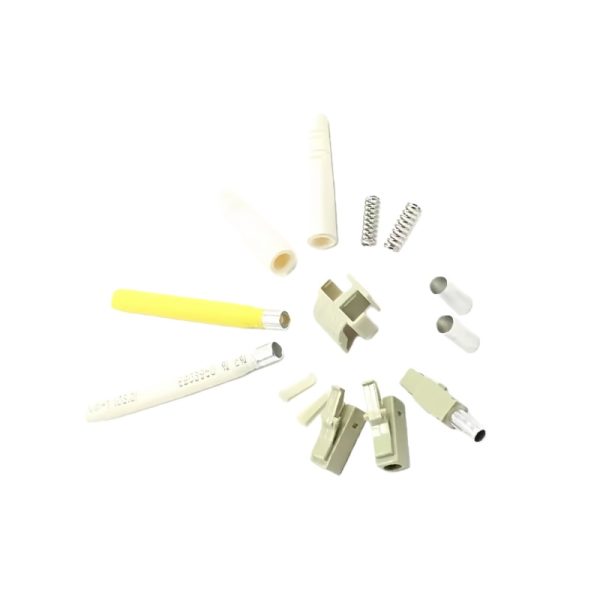
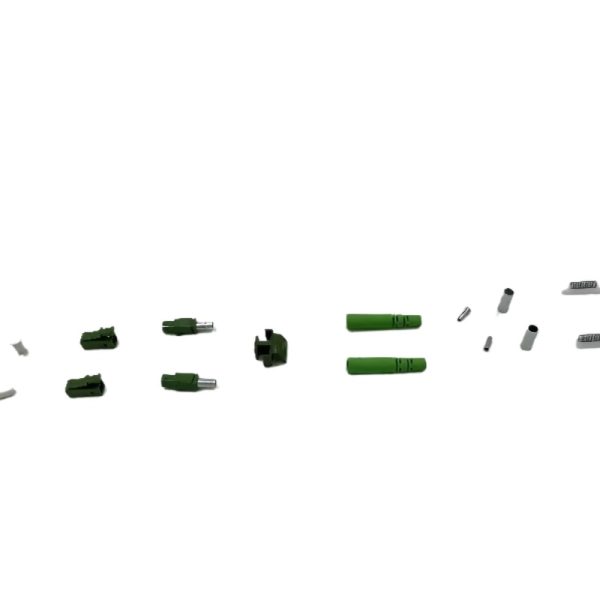
Duplex LC structure
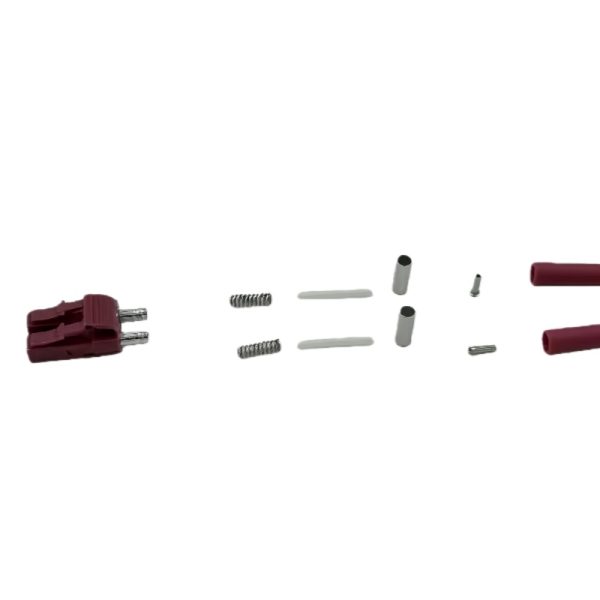
Two fibers are fixed inside one LC duplex housing, ensuring correct Tx/Rx orientation even when cables are moved or serviced.
| Construction | Benefício |
|---|---|
| 1.25mm ceramic ferrules | Precise core alignment |
| UPC polished end faces | Low reflection |
| Duplex LC clip | Maintains polarity |
| Thick 3.0mm jacket | Protects against tension |
Perguntas e respostas profissionais
When should I choose 3.0mm instead of 2.0mm?
When the jumper runs through cable trays, risers, or backbone frames where it may be bent or pulled.
Is this compatible with all LC UPC adapters?
Yes. The LC interface is standard and fits all LC UPC panels and transceivers.
Can this be used for PON systems?
Yes, but for RF overlay or reflection-sensitive PON systems, LC APC is recommended instead.

Comentários
Ainda não há comentários.