
Çalışmayan MPO kanallarının çoğu kablo arızası olarak teşhis edilir; oysa panel ve üzerine monte edilmiş kasetler, herhangi bir alıcı-vericiye güç verilmeden önce polariteyi, bağlantı tipini, anahtar yönünü ve kullanılabilir şerit sayısını belirler. Eğitim yapamayan bir 400G DR4 bağlantısı, çoğu zaman bozuk bir ana hat bağlantısından ziyade yanlış eşleştirilmiş bir kasetten kaynaklanır. Satın alma siparişindeki aşağıdaki alanların düzeltilmesi bu tür arızaları ortadan kaldırır ve sonundaki teslimat kontrolleri, panel canlı bir rafa yerleştirilmeden önce bunların nasıl doğrulanacağını gösterir.
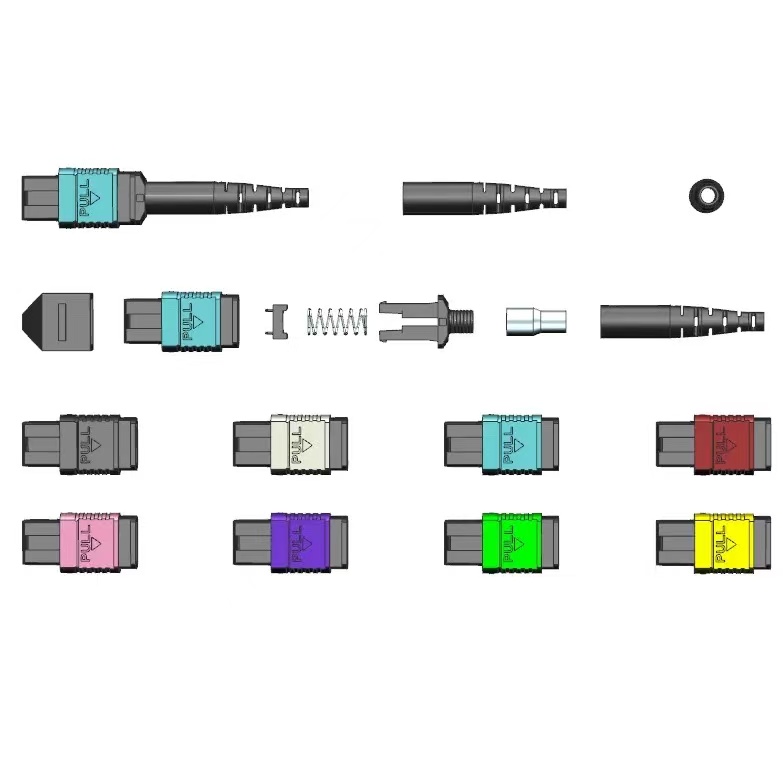
Kanal haritasını belirleyen paneldir, ana hat değil
Bir dubleks kanal, bir fiber çiftidir. Paralel optik kanal ise bir demettir ve şu geçiş noktalarından geçer: alıcı-verici → bağlantı kablosu → adaptör paneli → ana hat → adaptör paneli → bağlantı kablosu → alıcı-verici. Bu geçiş noktalarından herhangi biri şerit sırasını tersine çevirebilir ve arıza ancak bağlantı uçtan uca test edildiğinde ortaya çıkar.
Polarite, bu şerit sıralamasının adıdır. Bu TIA TIA-568.3-D standardında 12 fiberli MPO için üç yöntem tanımlanmıştır: Yöntem A doğrudan eşleme yapar, Yöntem B tüm diziyi tersine çevirir ve Yöntem C, ayrıştırma uygulamaları için fiber çiftlerini değiştirir. 12 fiberli donanımlar için tanımlar sabittir ve üreticiye bağlı değildir. MPO-16 ve MPO-24 için yayınlanmış eşdeğer bir tanım bulunmadığından, tedarikçiler 12 fiber mantığını kendi başlarına genişletmekte ve isimlendirmeler farklılık göstermektedir. Dolayısıyla, 16 fiberli bir montaj parçası üzerindeki “Tip B” etiketi tek başına çok az bilgi vermektedir.
Bunu kontrol altında tutan iki kural vardır. İlk olarak, tüm kanal için tek bir belgelenmiş polarite yöntemi satın alın ve bunu tek bir kaynaktan temin edin; böylece ana hat, MPO/MTP bağlantı kabloları ve kasetler üç farklı katalogdan bir araya getirilmek yerine tek bir harita üzerinde birleştirilmiştir. İkinci olarak, her teklifle birlikte bir fiber şerit haritası çizimi talep edin ve bunu satın alma siparişiyle birlikte dosyaya ekleyin. 16 fiberli ve 24 fiberli ürünlerde bu çizim teknik şartnamedir; etiket ise sadece bir takma addır. Bu konudaki notumuzda 400G MPO ana kablo aynı kararın kablo tarafını ele almaktadır.
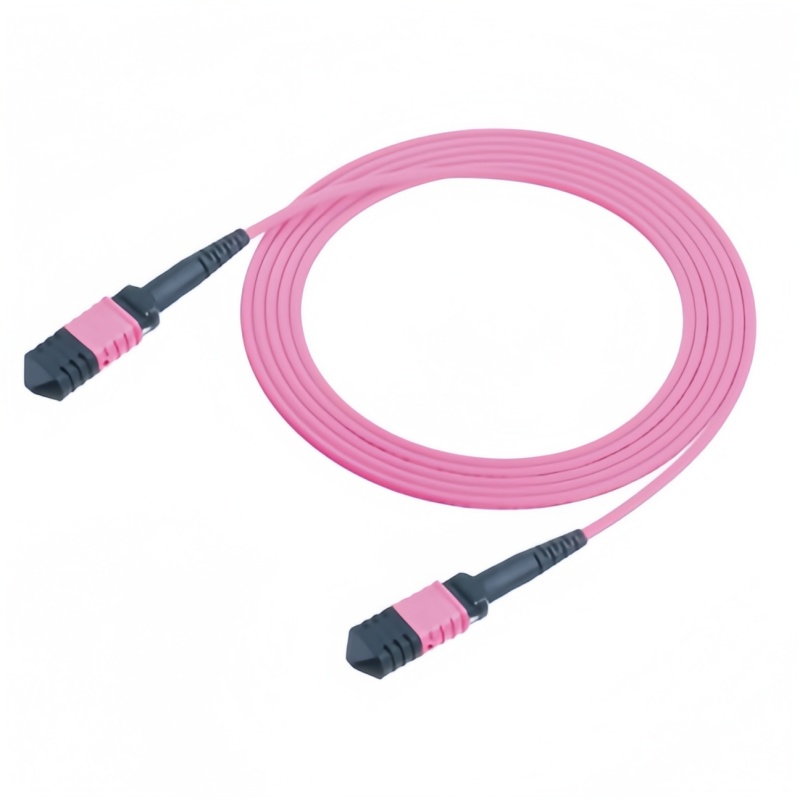
Elyaf Sayısı, Panel Stilinden Önce Gelir
“Bir MPO paneli lazım” ifadesi bir teknik özellik değildir. Optik parçadan başlayın; çünkü optik parça fiber sayısını belirler ve fiber sayısı da takabileceğiniz modülü belirler.
| Optikteki arayüz | Kullanılan şeritler | Sipariş Modülü | Sipariş Formu için Not |
|---|---|---|---|
| MPO-8 (8F) | 4 TX + 4 RX | 8F veya 12F kaset | 12F kasetinde 4 lif koyu renkte kalır; aşamalı büyüme için uygundur |
| MPO-12 (12F) | 4 veya 8 TX + RX | 12F kaset | En yaygın eski sistemler ve 100G kapsama alanı |
| Tek modlu DR4 için MPO-12 | 12'den 8'i | 12F APC kaseti | 400G DR4'te APC cilası zorunludur; UPC takılamaz |
| MPO-16 (16F) | 8 TX + 8 RX | 16F kaset | Ofset anahtarını ve 16 şeritli haritayı isteyin |
| MPO-24 (24F) | 10 veya 12 TX + RX | 24F kaset veya doğrudan bağlantı parçası | Toplama ve omurga konumu, kenar değil |
| Çift MPO-12 veya çift yönlü LC | Değişir | Hibrit kaset veya LC panel | Aynı 800G serisi her ikisini de içerir; modül parça numarasını kontrol edin |
400G, tek bir optik arayüz değildir. Şu koşullar altında IEEE 802.3 Aynı veri hızı, açılı cilalı MPO-12 tek modlu kablo üzerinden 400G-DR4 olarak, MPO-16 çok modlu kablo üzerinden 400G-SR8 olarak ve çift yönlü LC üzerinden 400G-FR4 veya LR4 olarak sağlanır. Sekiz yüz gigabitlik modüller de aynı şekilde ayrılır; bazıları çift MPO-12, bazıları ise tek bir MPO-16 kullanır. Bir panel seçmeden önce, alıcı-vericinin tam parça numarasını ve arayüz tablosunu not edin; çünkü kaseti belirleyen veri hızı değil, bu tablodur. Kuplör stili cilaya göre belirlenir, bu nedenle fiber optik adaptörler Paneldeki parçalar, arkalarındaki kasete uyması için APC veya UPC olarak sipariş edilmelidir.
PO’nun Tek Bir Satırında Kutupluluk, Cinsiyet ve Anahtarlama
Bu dört alan, ilk ürün reddedilmelerinin çoğuna neden olmaktadır ve bu dört alanın tümü, üretim sırasında değil, üretim öncesinde karara bağlanmaktadır.
| Alan | Seçenekler | What to state |
|---|---|---|
| Polarity method | A, B, C | One method for the whole channel; supply the lane map for 16F and 24F |
| Gender | Male (pinned) or female (unpinned) | State the gender of the panel rear port and of the mating cable end, not “standard” |
| Key orientation | Key up, key down, offset key | Offset key is used by 800G optics; mixed plants need a panel that accepts both |
| Lehçe | UPC or APC | APC for single-mode parallel optics; never mate APC to UPC |
Gender is the field buyers most often leave to the supplier. Transceiver ports are normally pinned, so the assembly end that plugs into an optic must be unpinned, while a bulkhead joint between two assemblies needs one pinned end to align the ferrules. Because the two are independent of polarity, both have to be written down. Key orientation is the second trap: an MPO-16 built for 800G optics generally carries an offset key, while a legacy MPO-12 panel port is centred, and a mismatch is a physical block rather than a bad link. Where a plant mixes both, order cassettes with the correct keying per slot and label the slots at the panel face.
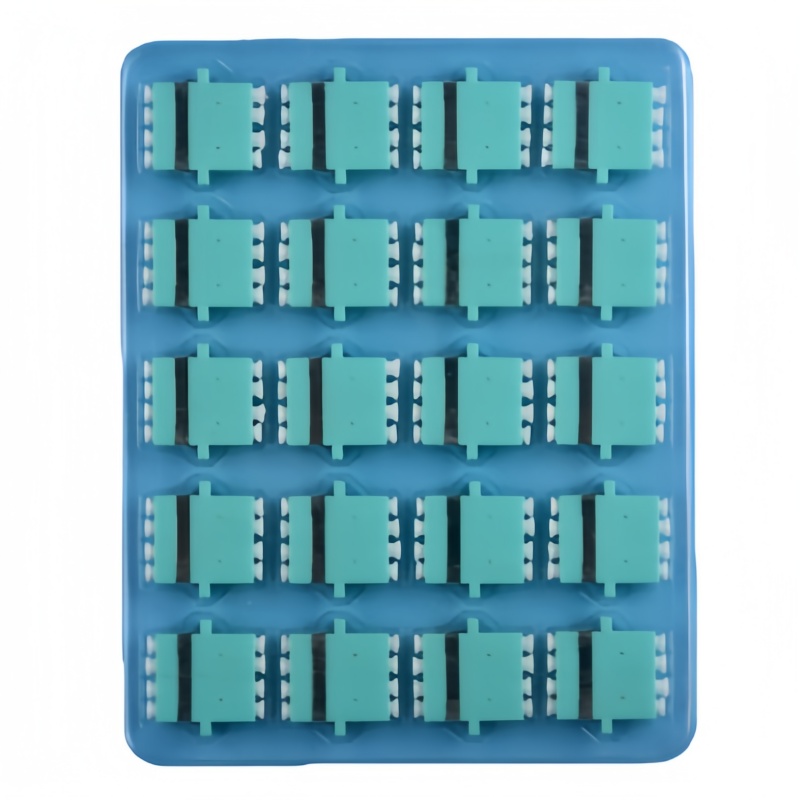
Density Math and the 12F to 16F Upgrade Path
Panel capacity is arithmetic, and it is worth doing before the chassis is chosen. A 1U modular housing typically takes four cassette positions. A 12-fibre cassette breaks one MPO-12 out to six LC duplex ports; a 16-fibre cassette breaks one MPO-16 out to eight. The same 1U housing therefore presents 24 duplex ports with 12F modules or 32 with 16F modules, with no change to the rack unit or the rear cabling. If the channel stays MPO to MPO with no breakout, direct coupler positions in the same chassis raise the port count further.
The upgrade path is the reason to buy a modular chassis rather than a fixed panel. Trunks land once at the rear and stay landed; a move from 12-fibre to 16-fibre optics is a front-face module swap in the affected slots, and the untouched slots keep running. That containment matters when a live zone is being migrated, and it keeps the ODF and distribution frame layer consistent with the spine plan. Mounting hardware, blanking plates and fiber optik aksesuarlar should be quoted with the chassis so that a partially populated 1U frame still closes and labels correctly.
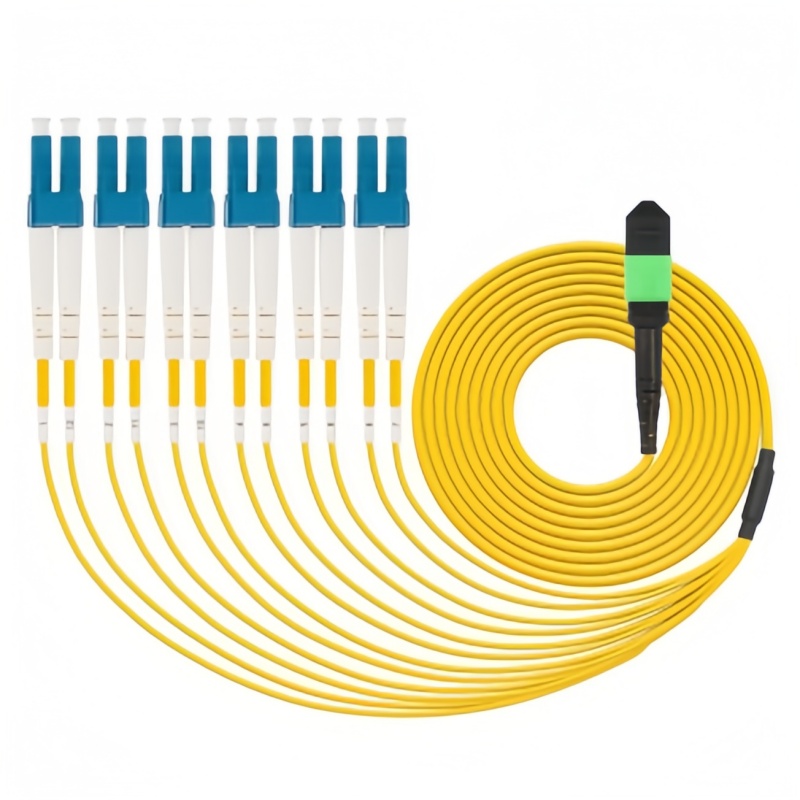
Acceptance Plan at Receipt
Test evidence is cheaper to specify than to argue about later. Put these items in the PO as deliverables, and reject a shipment that arrives with only a generic certificate.
| Kontrol et | Yöntem | Accept | Document |
|---|---|---|---|
| Insertion loss, per mated pair | Light source and power meter, or MPO test set | Elite grade 0.35 dB max; standard grade 0.75 dB max | Per-port test file with serial numbers |
| Geri dönüş kaybı | Same setup, APC and UPC separately | 60 dB min APC single-mode; 45 dB min UPC single-mode | Same file, per port |
| End-face condition | Inspection per IEC 61300-3-35 zones | Zone A and B pass, no scratch in Zone A | Image per port after cleaning |
| Lane map continuity | Continuity or OTDR trace through the channel | Matches the approved drawing fibre for fibre | Signed map against the drawing revision |
| Mating and retention | Sample pull and latch test | Connector 500 cycles min, cassette latches without tools | Sample record with batch code |
| Fiber and polish identity | Visual and label audit | Single-mode fibre matched to declared spec, APC and UPC not mixed | Label schedule |
Clean and inspect before every mate, and clean again after any failed test, because a single particle over one lane reads as a dark channel and sends teams into the wrong layer of the network. Field inspection practice is documented by Fluke Networks, and the cleaning step belongs in the receipt procedure rather than in the installation checklist. For single-mode link hardware, confirm the fibre grade against ITU-T G.652, and buy connector and interface performance against IEC 61754-7, IEC 61753-1 and GR-326 rather than against a datasheet summary; the IEC çevrimiçi mağazası is the place to confirm a current edition number before it goes into a contract.
A panel order that names the optic, the fibre count, the polarity method, the gender, the key orientation and the polish is a one-page document, and it is the difference between a channel that trains on the first attempt and a week of swapping parts. Send your transceiver list and channel drawing to Fenxi and we will return a panel, cassette and trunk bill of materials built around them.