
A 1xN splitter has one optical input path; a 2xN design provides two input paths to a common output set. The second input only creates operational value when the network architecture, protection switching, monitoring method and acceptance tests explicitly use it.
Buying a 2xN splitter as vague future insurance can add routing and documentation complexity without delivering resilience. The designer should draw normal and contingency signal paths, identify how both inputs are managed, and calculate the power budget for each planned operating state.
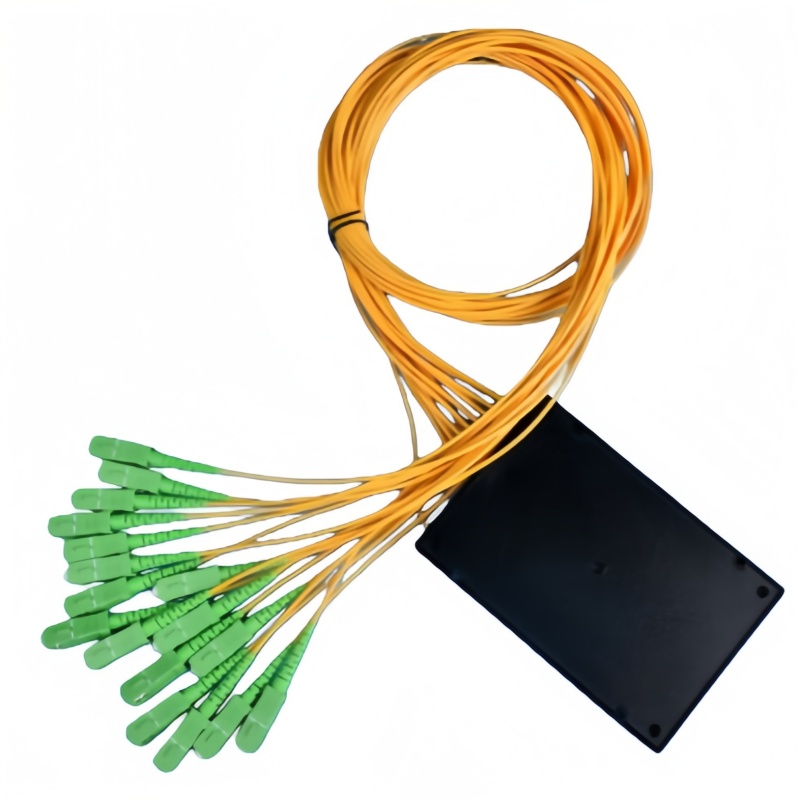
What Must Be Decided for 1xN vs 2xN PLC splitter?
Use the decision table to turn the topic into controlled purchase, design and acceptance inputs. Each row should be confirmed against the actual equipment, route and destination standard rather than copied from a generic catalogue.
| Decision area | What to specify | Why it matters | Evidence to retain |
|---|---|---|---|
| Topology | One input or two controlled inputs | Defines actual use case | Normal and contingency diagrams |
| Optical budget | Loss path for every state | Confirms receiver margin | Approved budget |
| Input management | Switching, monitoring or test role | Prevents unintended signals | Operating procedure |
| Port mapping | Inputs and outputs with durable IDs | Avoids cross-connection | Continuity schedule |
| Spares | Exact package and input configuration | Supports restoration | Stock list |
How to Control 1xN vs 2xN PLC splitter in the Project
The controls below connect the drawing, sample, production lot and installed result. They are deliberately practical: each one produces a record that procurement, engineering and field teams can review later.
Draw both operating states
For a 2xN device, show which source feeds each input during normal service, maintenance and failure. Do not assume the second input is electrically or operationally managed by the passive component.
Test each input path
Measure and record every input-to-output path required by the design. A report covering only one input leaves half of a 2xN assembly unverified.
Protect unused ports
Cap, identify and control any input not placed in service. Maintenance instructions should prevent accidental connection of an uncontrolled source.
Match the package to field work
Check tail routing and label visibility for two input fibres. The optical choice should not create an enclosure that technicians cannot trace safely.
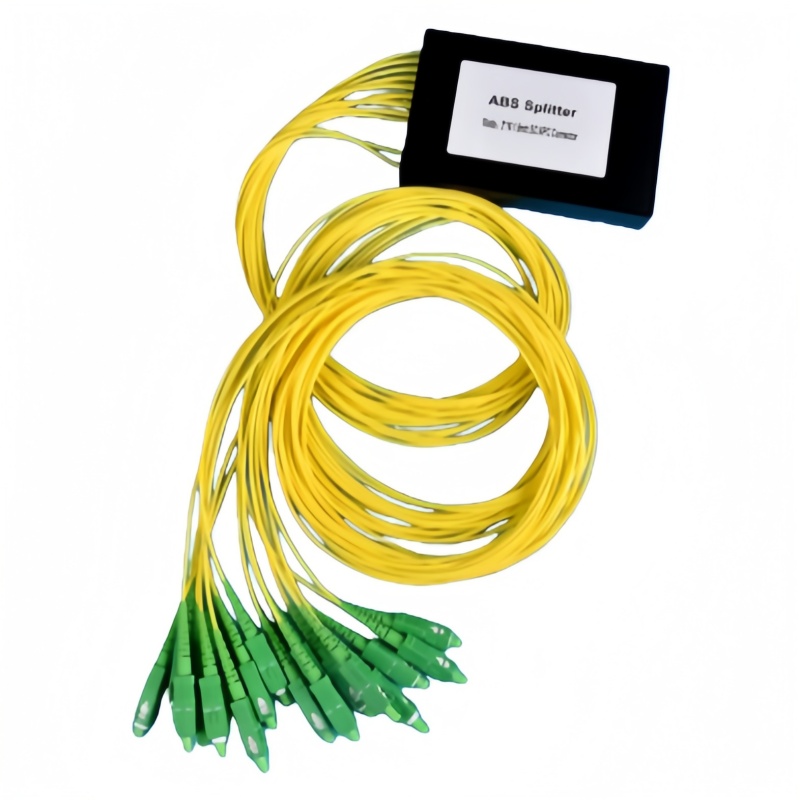
Acceptance and Handover Checks
Agree the method and disposition before testing begins. A result without a defined record owner or failure action is difficult to use during shipment release or commissioning.
| Check | Method | Record | Failure action |
|---|---|---|---|
| Topology review | Trace all states | Signed network diagram | Reject undefined second input |
| Budget | Calculate each active path | Loss table | Change ratio or architecture |
| Continuity | Test every input-output pair | Port matrix | Correct mapping |
| Optical performance | Measure required parameters | Serialized data | Quarantine failure |
| Field labels | Inspect both inputs and outputs | Photo record | Relabel |

Standards and Evidence to Put Behind the Purchase Order
Corning lists component, module and rack formats and identifies GR-1209/1221 qualification for its PLC splitter range. See Corning PLC splitter qualification reference.
The 2025 paper describes GPON, XG(S)-PON, 50G-PON and coexistence references for access networks. See ITU broadband access technical paper.
The G.9804.3 series defines the physical-media-dependent layer for 50G-PON. See ITU-T G.9804.3 50G-PON specification.
Design note
Use 2xN only when two inputs have a documented network function. Otherwise, a well-defined 1xN path is simpler to budget, label, test and maintain.
- Define both inputs
- Calculate each operating state
- Test all input-output paths
- Control unused ports
- Stock the exact spare format
For a project-specific quotation, review Fenxi’s fiber optic splitter range, 1×16 SC APC PLC splitter, PLC and FBT splitter comparison, and PON power-budget planning guide. Send the destination market, connector interfaces, fibre type, cable construction, quantities, drawing revision and required test records. The response can then separate standard catalogue options from items that need confirmation or custom tooling.