
1. Introduction: The Quiet Workhorse of Digital Fiber Networks
When people talk about “high‑speed internet,” “10G PON,” or “fiber backbones,” they rarely mention the small piece of hardware that physically makes all of this possible: the fiber optic connector.
Among many connector types—SC, LC, FC, ST, MPO/MTP—one particular combination has become a default in countless digital fiber systems:
SC UPC connectors
From FTTH wall outlets to OLT/ONU ports, from enterprise patch panels to test jumpers in telecom labs, SC UPC has become a standard choice—especially in single‑mode, high‑speed digital applications.
This article explains:
- What SC UPC connectors are
- Why they are so widely adopted in digital fiber systems
- How they compare with other polish types and form factors
- Where they are the best choice—and where they are not
- What network designers and buyers should consider when specifying SC UPC
2. SC UPC Connector Basics
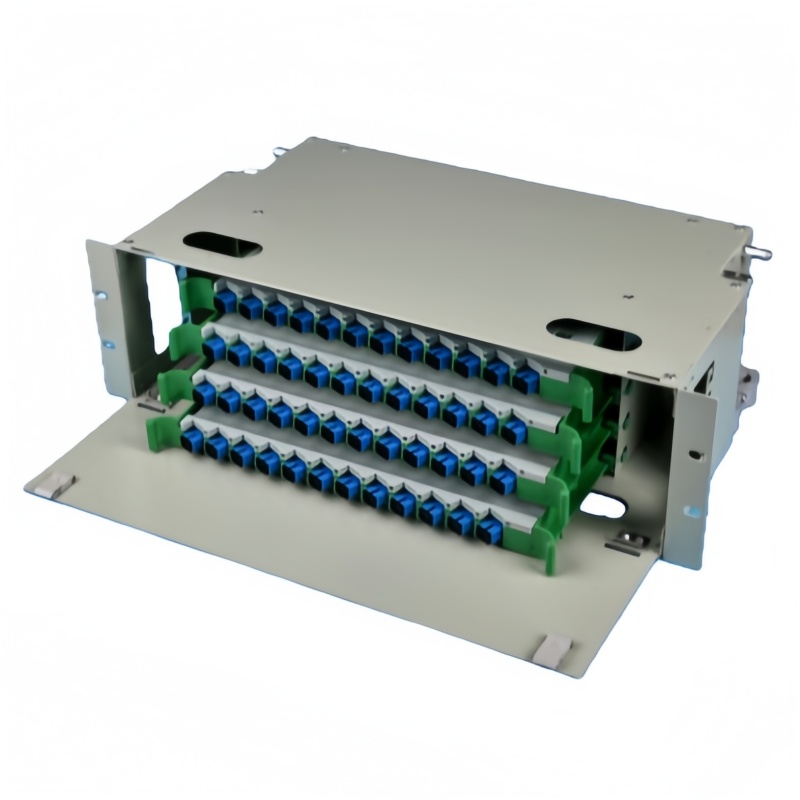
2.1 What Does “SC UPC” Mean?
- SC stands for Subscriber Connector or Square Connector.
- Rectangular housing
- Push‑pull latching mechanism
- 2.5 mm ceramic ferrule
- UPC stands for Ultra Physical Contact.
- Flat (but slightly convex) ferrule end‑face
- Ultra‑fine polishing for very low surface roughness
- Lower return loss than standard PC (Physical Contact) polish
SC UPC connectors are available for:
- Single‑mode fiber (e.g., ITU‑T G.652, G.657)
- Multimode fiber (OM2/OM3/OM4/OM5)
But in practice, when people say “SC UPC” in a digital system context, they usually mean single‑mode SC UPC.
2.2 Where Are SC UPC Connectors Commonly Used?
Real‑world deployments where SC UPC is extremely common:
- FTTH / FTTx:
- OLT line cards
- Optical splitters/panels (SC UPC or SC/APC at different points)
- ONT/ONU ports in customer premises
- Metro and access networks:
- Distribution frames and cross‑connects
- Municipal fiber infrastructures
- Enterprise and campus networks:
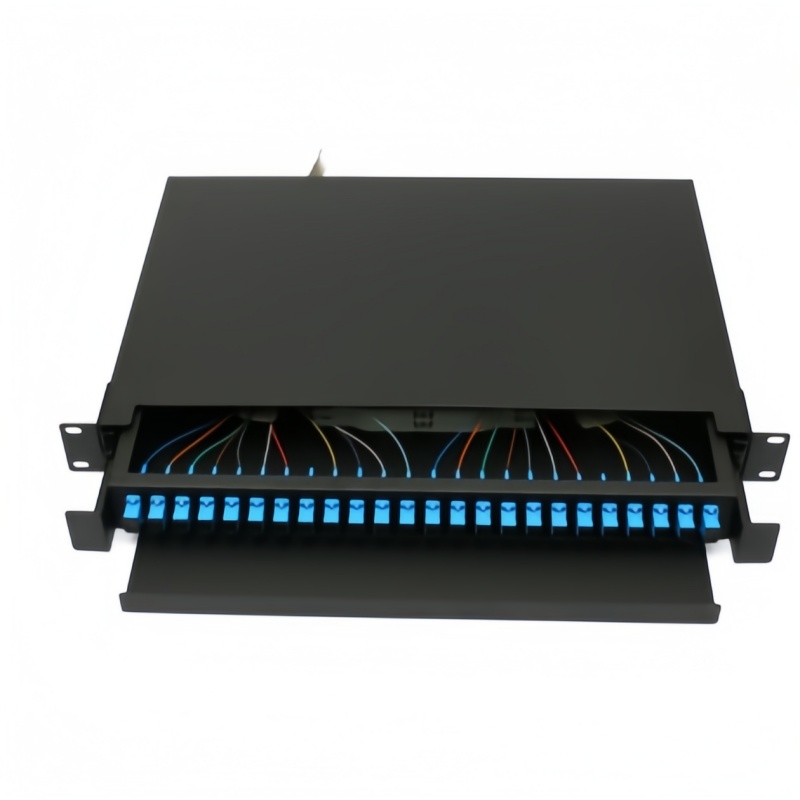
- Optical patch panels
- Media converters, WDM equipment, test access points
- Test equipment and lab setups:
- SC‑terminated reference patch cords
- Measurement gear where UPC polish is sufficient
In many operator and enterprise specs, “SC/UPC” appears as the default requirement for digital interfaces that don’t need APC’s extra‑high return loss.
3. Why SC UPC Has Become a Standard in Digital Fiber Systems
The reasons are not just historical. SC UPC offers a practical balance of:
- Mechanical robustness
- Optical performance (low loss)
- Sufficient return loss for digital signals
- Ease of use
- Industry standardization and availability
Let’s break down the major advantages.
4. Mechanical Design: Simple, Robust, and Installer‑Friendly
4.1 The SC Form Factor
SC connectors are known for:
- Square, push‑pull design
- Easy to insert/extract, even in high‑density panels
- No need to twist (unlike FC or ST)
- Latch mechanism
- Firm locking, reduces accidental disconnects
- 2.5 mm ferrule
- Sturdy and mechanically stable
- Widely used, making cleaning tools and accessories common
This makes SC UPC:
- Installer‑friendly
- Durable for repeated mating cycles
- Easy to handle even with gloves in field environments
4.2 High Mating Durability
Well‑manufactured SC UPC connectors typically support:
- 500–1,000+ mating cycles with correct cleaning and handling
- Stable insertion loss across multiple plug/unplug events
This is important in:
- Labs and testing
- Patch panels with frequent reconfiguration
- Systems where connectors are sometimes repatched or moved
5. Optical Performance: Low Insertion Loss at Reasonable Cost
For digital transmission systems, low insertion loss (IL) is critical to maintain:
- Link budget
- Error performance (BER)
- Margin for future upgrades
5.1 Typical Performance Metrics of SC UPC
Typical values (indicative; exact numbers vary by manufacturer):
- Insertion Loss (Single‑mode SC UPC):
- Typical: 0.2–0.3 dB
- Maximum (spec): up to 0.5 dB, sometimes 0.3 dB for premium grades
- Return Loss (RL):
- ≥ 45 dB is common for SC UPC
- Often 50 dB or better for high‑quality connectors
Table 1 – Typical SC UPC Single‑Mode Performance (Indicative)
| Parameter | Typical Value | Comment |
|---|---|---|
| Insertion Loss (IL) | 0.2–0.3 dB | Depends on ferrule quality, polishing, alignment |
| IL (max, per spec) | 0.3–0.5 dB | Many datasheets specify ≤ 0.5 dB max |
| Return Loss (RL) | ≥ 45 dB | Higher RL = lower back reflection |
| Operating wavelength | 1310 / 1550 / 1625 nm | Standard single‑mode windows |
| Durability | 500–1,000+ matings | With proper cleaning and handling |
These figures are excellent for digital communication in most access and enterprise applications, where:
- The optical power levels are moderate
- The receiver tolerance to reflection is relatively forgiving
6. Return Loss and Reflection: Why UPC Is “Good Enough” for Digital Systems
Digital fiber systems mainly transmit digital on/off keying (OOK) or advanced modulation formats. They are sensitive to:
- Signal‑to‑noise ratio (SNR)
- Power budget
- Non‑linearities in very long‑haul or high‑power systems
However, in shorter‑reach digital systems (access, metro, enterprise), the key questions are:
- Is the insertion loss low enough?
- Is the reflection (return loss) acceptable?
6.1 UPC vs. APC: The Reflection Debate
UPC (Ultra Physical Contact):
- End‑face is flat (normal to the fiber axis) with perfect polish
- Typical RL ≥ 45 dB
- Good for digital transmission, GPON, XGS‑PON, many DWDM short/medium links, and Ethernet up to 10G or even higher in many cases
APC (Angled Physical Contact):
- End‑face is angled (usually 8°)
- Typical RL ≥ 60 dB (sometimes ≥ 65 dB)
- Essential for:
- Analog RF over fiber
- Video overlay
- Some high‑power or ultra‑sensitive links
In most purely digital systems (no analog RF overlay, short‑to‑medium distance), SC UPC offers more than adequate return loss.
Table 2 – UPC vs. APC Return Loss Comparison
| Connector Type | End‑Face Geometry | Typical Return Loss (Single‑mode) | Typical Use Cases |
|---|---|---|---|
| SC UPC | Ultra PC (flat) | ≥ 45 dB | Digital Ethernet, GPON/XGS‑PON, enterprise links |
| SC APC | Angled (≈ 8°) | ≥ 60 dB | RF overlay, CATV, high‑reflection‑sensitive links |
Because SC UPC is simpler and less expensive than SC APC while still meeting digital system requirements, it is often specified as the default connector type.
7. Compatibility and Standardization: SC UPC is Everywhere
7.1 Broad Industry Adoption
Over the past two decades, SC has become a de facto standard in many network elements:
- Optical distribution frames (ODFs)
- Splitter modules
- ONT/ONU customer ports
- Test equipment receivers and transmitters
The widespread use of SC UPC means:
- Massive ecosystem of patch cables, adapters, attenuators, and pigtails
- Easy sourcing from multiple vendors
- Interoperability between brands
7.2 Standards and Recommendations
Although connector choices can vary, many industry documents (ITU‑T, IEC, Telcordia, national telecom specs) reference:
- SC connectors as a standard option for single‑mode interfaces
- UPC polish as a baseline for digital transmission unless high RL is required
This kind of standardization:
- Simplifies network design
- Lowers procurement risk
- Supports multi‑vendor interoperability
8. Cost and Availability: SC UPC Is Cost‑Effective at Scale
In large deployments—like FTTH roll‑outs—connector cost and volume matter.
8.1 Economies of Scale
Because SC UPC is so common:
- Manufacturing volumes are high
- Production processes are mature
- Competition between suppliers is strong
Result:
- Competitive pricing compared to more exotic connector types
- Attractive for price‑sensitive FTTH and access network deployments
8.2 Simplified Inventory Management
Using SC UPC as the standard connector type reduces complexity:
- Fewer SKUs in stock
- Easier spare management
- Simpler training for field technicians
For large operators and enterprises, standardizing on SC UPC can significantly reduce logistics and operational overhead.
9. Comparison with Other Common Connectors in Digital Systems
To understand why SC UPC is a standard choice, it helps to compare it to other connectors frequently used in digital systems.
9.1 SC UPC vs LC UPC
LC UPC has:
- Smaller form factor (1.25 mm ferrule)
- Higher port density (twice the ports per 1U panel vs. SC)
So why does SC UPC remain so popular?
- FTTH and access equipment historically adopted SC first and still use it heavily.
- SC is often viewed as more robust and easier to handle in outdoor and field environments.
- Customer premises equipment (CPE/ONT) often uses SC UPC for simplicity and cost.
In data centers, LC UPC tends to dominate (for density), but in outside plant (OSP) and FTTH, SC UPC is still standard.
9.2 SC UPC vs SC APC
We’ve touched on the reflection argument, but in practical deployment:
- SC UPC is often used at:
- Active equipment ports (OLT, ONT in many regions)
- Patch cords used inside digital equipment rooms
- SC APC is used at:
- Passive splitters in FTTH
- Outdoor network segments where reflections are critical
It’s very common to see APC connectors (green) in the street cabinets and UPC connectors (blue) in indoor equipment and CPE.
9.3 SC UPC vs Other Legacy Connectors (ST, FC)
- ST:
- Bayonet‑style, older generation
- More common in legacy multimode networks
- Lower density and not as popular in new installations
- FC:
- Threaded connector, excellent for vibration resistance
- Used in some RF and measurement applications
- Slower to connect/disconnect than SC push‑pull
In modern digital systems, SC UPC and LC UPC generally replace ST/FC except in special environments.
Table 3 – Connector Comparison for Digital Fiber Systems
| Connector | Ferrule Size | Latching Mechanism | Typical Use in New Digital Systems | Density (panel) | Comment |
|---|---|---|---|---|---|
| SC UPC | 2.5 mm | Push‑pull | FTTH, access network, enterprise, CPE | Medium | Robust, widely adopted, very common |
| LC UPC | 1.25 mm | Push‑pull latch | Data centers, high‑density switch panels | High | Preferred in space‑constrained racks |
| SC APC | 2.5 mm | Push‑pull | FTTH splitters, CATV/RF overlay | Medium | Better RL, slightly higher cost |
| ST | 2.5 mm | Bayonet | Legacy installations | Low | Rare in new designs |
| FC | 2.5 mm | Threaded | Lab, RF, specialty | Low | Very secure, slower to operate |
10. Practical Advantages for Installers and Operators
10.1 Easy Handling in the Field
Technicians often favor SC UPC because:
- The square body is easy to grip.
- Push‑pull mechanism is simple and intuitive.
- Clear color coding:
- Blue for UPC
- Green for APC
This minimizes human error during installation and maintenance.
10.2 Cleaning and Inspection
The 2.5 mm ferrule makes:
- Inspection with common fiber scopes straightforward
- Cleaning tools widely available:
- Click‑type cleaners
- Cleaning sticks/swabs
- Ferrule adapter tips
For digital systems, where uptime matters, having standard cleaning and inspection tools is a major operational advantage.
11. When SC UPC Is the Best Choice—and When It’s Not
11.1 Use SC UPC When
- You are deploying digital Ethernet, GPON/XGS‑PON, or similar digital optical systems without analog RF overlay.
- You need proven, cost‑effective, and widely available connectors.
- Your network gear (OLT, ONT, switches) already has SC UPC ports.
- You want to simplify inventory and use a standard connector type.
- Reflection sensitivity is moderate, and RL ≥ 45 dB is sufficient.
11.2 Consider Alternatives When
- You are carrying analog signals (RF, CATV) or very reflection‑sensitive services → use SC APC.
- You are designing very high‑density data center panels where port density is critical → LC UPC or MPO/MTP may be more appropriate.
- You need multi‑fiber MPO connectors for parallel optics (40G/100G/400G) → SC is not applicable at that layer; it remains mainly at the break‑out or patching level.
12. Key Specification Checklist for SC UPC Connectors
When selecting SC UPC connectors for a digital system, pay attention to:
- Insertion Loss (IL):
- Typical ≤ 0.3 dB, max ≤ 0.5 dB
- Return Loss (RL):
- ≥ 45 dB for UPC, higher is better
- Ferrule Material:
- Ceramic (zirconia) ferrules for single‑mode
- Polishing Quality:
- Compliance with IEC / Telcordia standards
- 3D interferometry test results (if available)
- Durability and Mating Cycles:
- 500+ recommended for patch applications
- Cable Compatibility:
- Single‑mode G.652/G.657
- 2.0 mm or 3.0 mm jacket, 900 µm tight buffer as required
- Operating Temperature Range:
- Typically −40 °C to +75 °C for telecom‑grade components
13. Typical Applications in Digital Fiber Systems
To make this concrete, here are some typical scenarios where SC UPC connectors act as the standard interface.
13.1 GPON / XGS‑PON FTTH Networks
- OLT (Central Office): SC UPC ports on line cards or via patch panels.
- ODF (Optical Distribution Frame): SC UPC patching.
- Customer ONT/ONU: Often SC UPC port for the subscriber patch cord.
Here, SC APC may be used in the outside plant, but SC UPC is common at the active equipment side.
13.2 Enterprise and Campus Networks
- Optical switch uplinks: LC or SC UPC depending on vendor; many older gear use SC.
- Patch panels: SC UPC for multimode or single‑mode connections.
- Building‑to‑building links: SC UPC connectors at both ends of the fiber run.
For many IT departments, SC UPC remains a familiar and trusted choice, especially in older or mixed‑technology campuses.
13.3 Industrial and Utility Networks
- SC UPC patch cords and adapters in:
- Substations
- Utility control rooms
- Industrial automation systems
Robustness and simplicity matter more than maximum density here, making SC a good fit.
14. Summary: Why SC UPC Is the Standard Choice for Digital Fiber Systems
SC UPC connectors have earned their position as a standard choice for digital fiber systems because they offer:
- Solid mechanical design
- Robust, easy to handle, push‑pull latch
- Excellent optical performance
- Low insertion loss
- Sufficient return loss (≥ 45 dB) for most digital systems
- Widespread standardization and availability
- Supported by most telecom and network vendors
- Elevated to “default” status in many specs
- Cost‑effective at scale
- Mature, competitive supply chain
- Simplified inventory and logistics
- Operational convenience
- Easy to clean and inspect
- Standard tools and accessories everywhere
For purely digital fiber systems—whether FTTH, enterprise, or metro access—SC UPC connectors typically provide the best balance of performance, cost, and practicality.
You only need to move away from SC UPC when:
- You need higher port density (data centers → LC, MPO)
- You must handle ultra‑low reflection applications (RF, CATV → SC APC)
Otherwise, SC UPC remains a safe, smart, and standard choice.
Professional FAQ: SC UPC Connectors in Digital Fiber Systems
Q1. Why are SC UPC connectors often specified instead of SC APC in digital systems?
Answer:
SC UPC provides sufficient return loss (≥ 45 dB) for most digital applications, including GPON, XGS‑PON, and Ethernet links, while being slightly cheaper and simpler than SC APC. SC APC offers higher return loss (≥ 60 dB) but is mainly needed in reflection‑sensitive scenarios such as analog RF or certain high‑power links. For typical digital traffic, the UPC’s lower reflection is already within acceptable limits, making it the cost‑effective standard.
Q2. Can I mix SC UPC and SC APC connectors in the same link?
Answer:
You should never directly mate a UPC connector with an APC connector. Their end‑face geometries are different (flat vs angled), leading to:
- Poor physical contact
- Very high insertion loss
- Severe reflections and potential damage
If a network has both UPC and APC segments, use proper hybrid adapters or patching schemes designed for that purpose and maintain appropriate connector pairings.
Q3. Are SC UPC connectors suitable for 10G, 25G, or higher‑speed digital signals?
Answer:
Yes, connector type itself is not the limiting factor for speed. As long as the SC UPC connectors:
- Meet specified IL/RL requirements
- Are used with the correct fiber type (e.g., OS2 single‑mode)
- Maintain good cleanliness and physical contact
they can support 10G and above, as the limiting factors are usually fiber length, dispersion, and active optics, not the connector form factor. However, LC UPC and MPO/MTP may be preferred in very high‑density data center or leaf/spine architectures due to space constraints.
Q4. How often should SC UPC connectors be cleaned in a live network?
Answer:
Best practice is:
- Always clean before connect and clean before test.
- In critical environments, clean and inspect whenever a connector is unplugged and re‑plugged.
Dust or oil on the end face is a major cause of increased insertion loss and reflection. Use:
- Click‑type cleaners
- Cleaning sticks/swabs with fiber‑safe wipes
- Inspection microscopes where available
A disciplined “inspect–clean–inspect” process dramatically improves long‑term network reliability.
Q5. Is there any performance difference between blue and green SC connectors?
Answer:
The color is a coding convention, not a performance determinant:
- Blue usually denotes UPC polish.
- Green usually denotes APC polish (angled).
The performance difference (especially RL) comes from the end‑face geometry (UPC vs APC), not from the color itself. Blue SC UPC and green SC APC from the same quality manufacturer will both have low insertion loss, but APC will have higher return loss due to the angled polish.
Q6. For a new FTTH project, should I standardize on SC UPC or SC APC?
Answer:
It depends on your network design:
- If you have analog RF overlay or are very concerned about reflections, you will likely standardize APC on the outside plant side (e.g., splitters, distribution).
- For indoor equipment ports, ONTs, and digital line cards, SC UPC is often preferred for simplicity and cost, as long as RL ≥ 45 dB is sufficient.
Many operators use a mixed approach:
- SC APC in the passive outdoor network
- SC UPC at active equipment and indoor patching points
Consult your OLT/ONT vendor recommendations and local standards to finalize the choice.