
Base-8 aligns naturally with many eight-lane parallel interfaces, while Base-12 can remain practical in installed structured cabling and duplex breakout designs. The better architecture is the one with a documented lane map and migration path, not the one with the larger installed base or the newer label.
A data centre may contain Base-12 trunks from earlier deployments and new Base-8 modules for parallel optics. Replacing everything is not automatically justified, but mixing systems without a map can strand fibres or create unexpected polarity conversions. Evaluate channel utilization, module availability, testing and operational change together.

What Must Be Decided for base-8 vs base-12 MPO?
Use the decision table to turn the topic into controlled purchase, design and acceptance inputs. Each row should be confirmed against the actual equipment, route and destination standard rather than copied from a generic catalogue.
| Decision area | What to specify | Why it matters | Evidence to retain |
|---|---|---|---|
| Lane utilization | Live positions for each optical interface | Shows stranded capacity | Per-interface fibre map |
| Installed plant | Existing trunk count and polarity | Changes migration cost | Audited asset record |
| Module strategy | Cassette and conversion-module availability | Determines usable endpoints | Approved bill of materials |
| Testing | Access to every position and reference interface | Affects commissioning effort | Test method and adapters |
| Migration | Next two equipment generations | Prevents dead-end design | Stage-by-stage topology |
How to Control base-8 vs base-12 MPO in the Project
The controls below connect the drawing, sample, production lot and installed result. They are deliberately practical: each one produces a record that procurement, engineering and field teams can review later.
Model real interfaces
List the exact optics planned for each stage. Speed labels alone do not define lane count or whether the interface is parallel or duplex.
Calculate channel utilization
Mark active, spare and unused fibres for every path. Include cassette or harness conversions rather than evaluating the trunk in isolation.
Control mixed systems
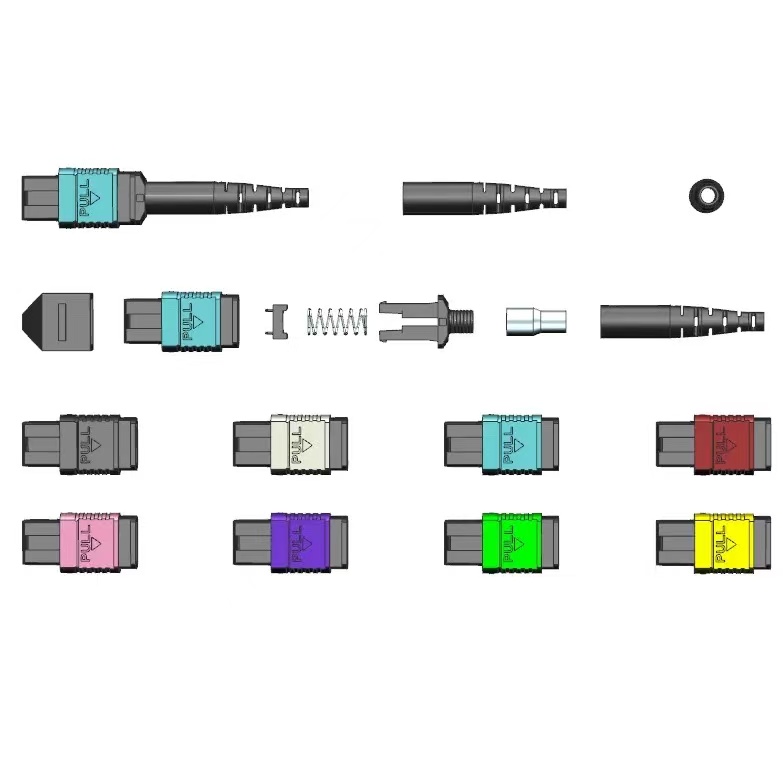
Use distinct labels and documented modules where Base-8 and Base-12 coexist. Do not allow field teams to choose conversion hardware by connector shell alone.
Keep test access
Confirm that reference cords, MPO interfaces and polarity tools cover the chosen construction. A migration design is incomplete if the installed channel cannot be verified.
Acceptance and Handover Checks
Agree the method and disposition before testing begins. A result without a defined record owner or failure action is difficult to use during shipment release or commissioning.
| Check | Method | Record | Failure action |
|---|---|---|---|
| Asset audit | Record trunk bases and polarity | Rack map | Correct unknown links |
| Lane map | Map every planned optic | Utilization table | Reject stranded design |
| Module fit | Build representative channel | Pilot report | Change cassette or harness |
| Polarity | Test all positions | Continuity file | Correct mapping |
| Migration | Test next-stage channel | Transition record | Revise roadmap |
Standards and Evidence to Put Behind the Purchase Order
This IEC publication defines two-row MPO interface dimensions. See IEC 61754-7-2 two-row MPO interface.
This IEC publication covers the two-row, 16-fibre-wide MPO interface. See IEC 61754-7-3 16-fibre-wide MPO interface.
This IEC procedure addresses attenuation, polarity and length testing for installed MPO-terminated cabling. See IEC 61280-4-5 MPO cabling test procedure.
Design recommendation
Base-8 and Base-12 can both be engineered well. Choose by documented utilisation, available modules, testability and the approved migration sequence.
- Audit installed trunk base
- Map exact optical lanes
- Approve conversion modules
- Label mixed systems clearly
- Test both current and future configurations
For a project-specific quotation, review Fenxi’s MPO connector range, MPO/MTP patch cords, MPO trunk cable specification guide, and MPO polarity methods guide. Send the destination market, connector interfaces, fibre type, cable construction, quantities, drawing revision and required test records. The response can then separate standard catalogue options from items that need confirmation or custom tooling.